Getting organized does not require expensive storage systems or a perfectly designed home. For most beginners, the best place to start is with small, simple habits that make each room easier to use every day.
Starting your journey toward a tidy home does not require complex storage systems. Instead, you can easily master the basics of Home Organization for Beginners: A Simple Room-by-Room Guide to reclaim your space, reduce daily anxiety, and create a welcoming environment.
Why Decluttering First Makes All the Difference
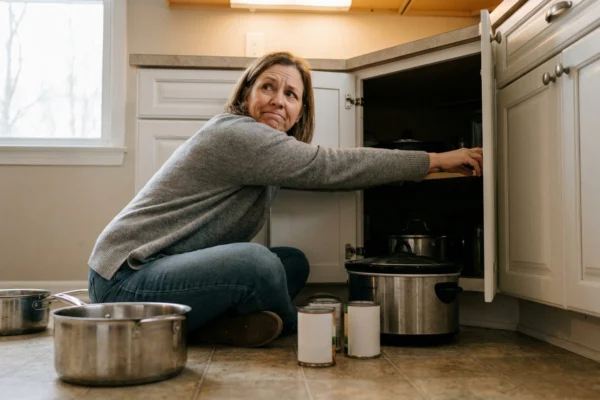
Before you rush to the store to buy beautiful wicker baskets or clear plastic bins, you must understand a fundamental truth of home organization: you cannot organize clutter. Many people fail because they try to arrange items they do not even need or use.
When we try to organize before purging, we simply shift the mess from one corner to another. This common mistake leads to frustration and empty wallets, as those storage containers eventually overflow with unnecessary items. Learning how to declutter your house when overwhelmed starts with changing your relationship with your belongings and embracing a simpler lifestyle.
In practice, starting with small, manageable zones, such as a single drawer or one shelf, prevents the mental fatigue that often stops beginners in their tracks. By focusing on tiny victories, you build the momentum needed to tackle larger areas of your home.
“The question of what you want to own is actually the question of how you want to live your life. Keep only those things that speak to your heart.”
— Marie Kondo, Organizing Expert
To make real progress as a beginner, you must separate your items into clear categories: keep, donate, recycle, and discard. Be honest with yourself about what actually adds value to your daily routine and what simply occupies physical and mental space.
Once you clear the excess, you will find that getting organized becomes a natural, enjoyable process because you are only managing items that serve a genuine purpose. With a lighter inventory, finding a dedicated home for every remaining item becomes incredibly simple.
Home Organization for Beginners in the Kitchen
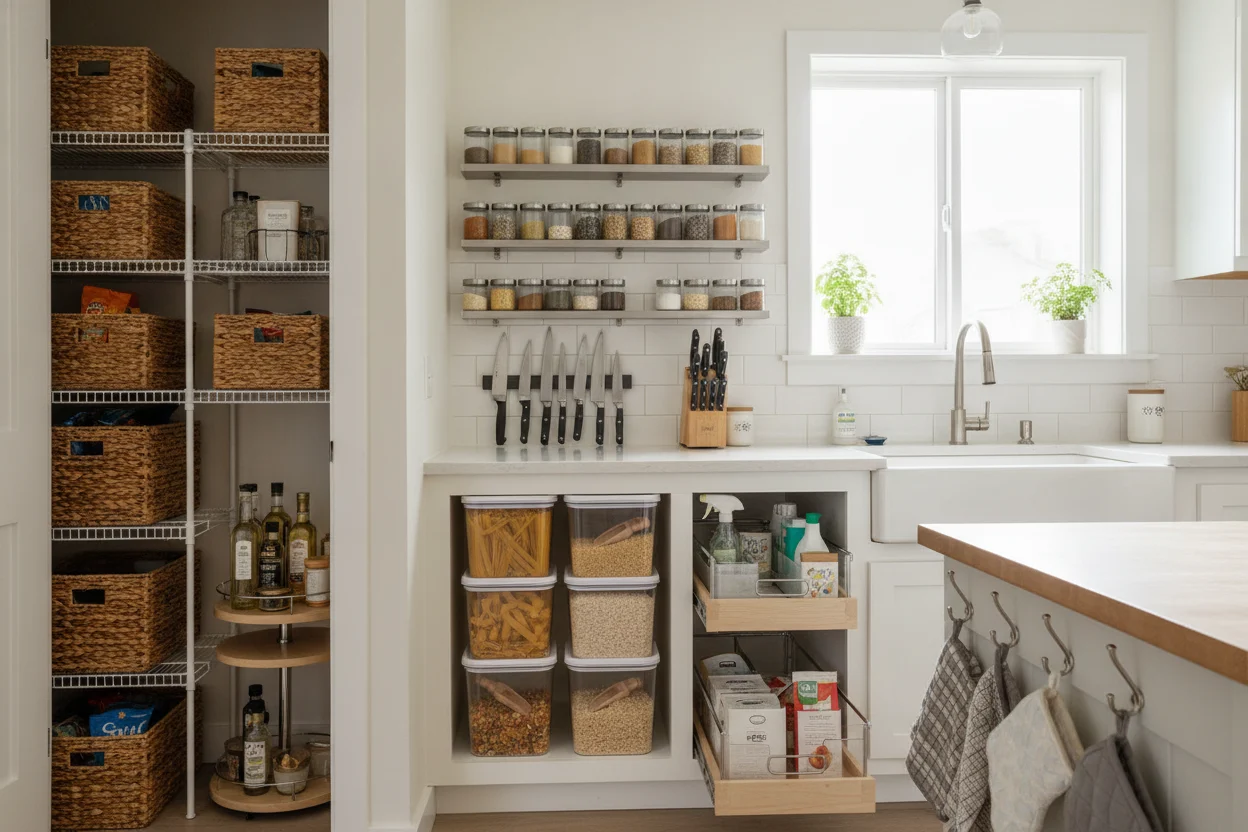
The kitchen is often called the heart of the home, which also means it is a primary magnet for daily clutter. Implementing an organizing system in this busy space requires analyzing your daily movements and creating dedicated functional zones.
We recommend grouping similar items together based on how you use them. For example, place all coffee mugs, coffee beans, and filters near your coffee maker to establish a practical morning beverage station that saves you steps every single day.
For those managing tight spaces, incorporating minimalist home organization ideas for small spaces can prevent your kitchen counters from feeling cramped. Utilize the inside of cabinet doors for spice racks or measuring cups to free up valuable counter real estate.
To keep your pantry functional, use budget-friendly clear containers to store dry goods like pasta, cereal, and flour. This simple habit allows you to see exactly what you have at a glance, reducing food waste and making grocery shopping much easier.
Keep your countertops as clear as possible by only storing appliances you use on a daily basis, such as your toaster or coffee maker. Stashing the food processor, blender, and specialty tools in lower cabinets ensures you always have ample room for meal preparation.
Maintaining order in the kitchen relies on returning items to their designated zones immediately after use. This simple habit keeps the busiest room in your house running smoothly, even during hectic weekday cooking sessions.
Practical Entryway Solutions for Busy Mornings
Your entryway sets the tone for your entire home and is the first thing you see when you return after a long day. Unfortunately, it is also the ultimate landing pad for muddy shoes, heavy bags, mail, and keys.
To prevent this area from becoming a chaotic mess, you need to establish a dedicated drop zone. A small console table, a bench with built-in storage, or a simple set of wall hooks can transform a messy entrance into a streamlined transit area.
Instilling simple habits in this space ensures that your family members can easily follow the system. Assign a specific hook or basket to each person so they know exactly where to deposit their personal items the moment they step through the door.
Incorporating these easy home organization tips for beginners protects your floors and saves precious minutes during the morning rush. When keys, wallets, and umbrellas have a permanent home, you will never waste time searching for them before work.
If you have kids, place hooks at their eye level so they can hang up their own backpacks and jackets independently. This small adjustment teaches them responsibility while keeping the entryway clear of tripping hazards.
Living Room Strategies for a Cozy Workspace
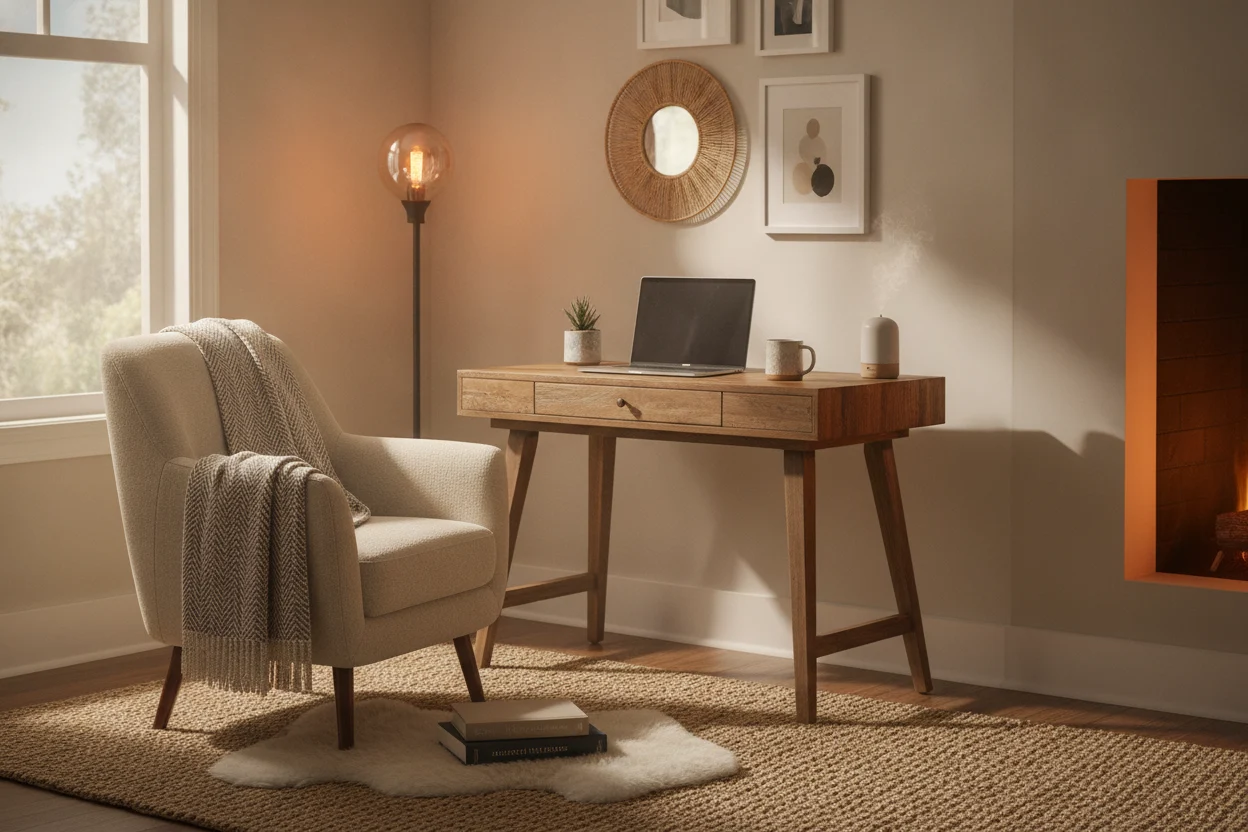
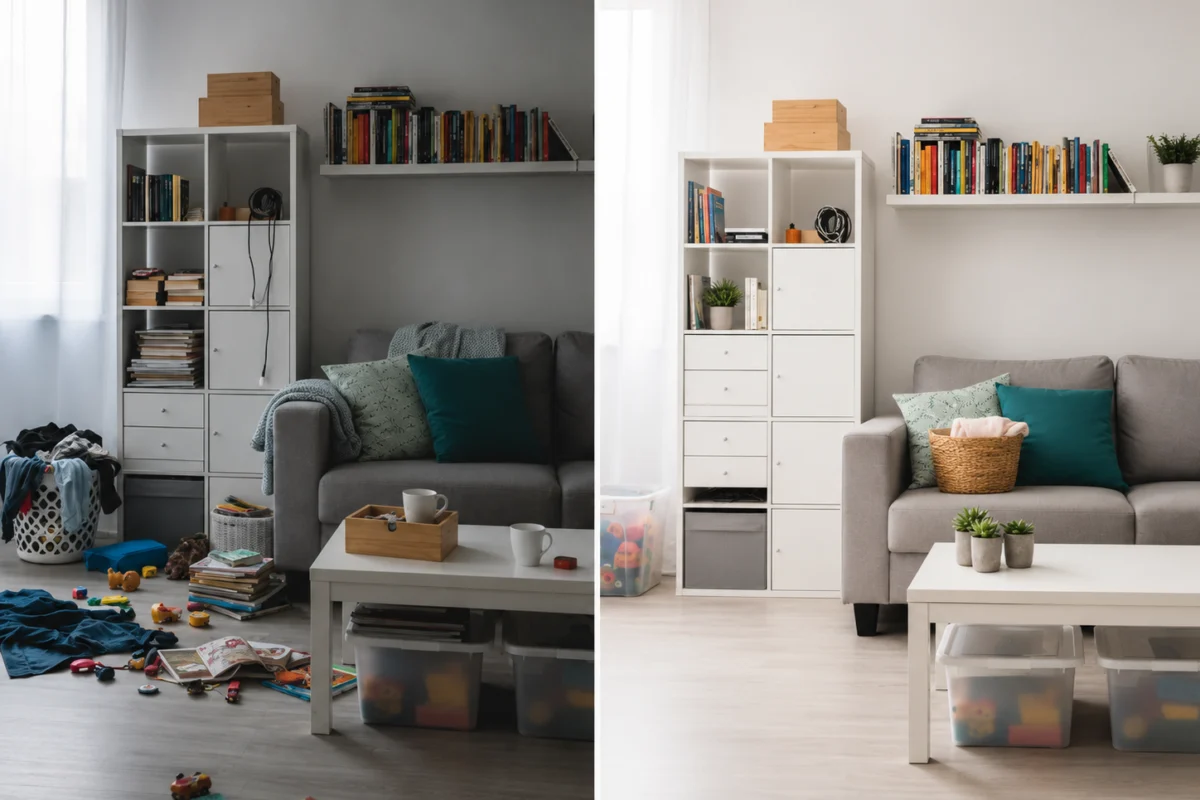
The living room must serve multiple purposes: it is a place for relaxation, family gatherings, entertainment, and sometimes even a remote workspace. Balancing these different activities requires clever storage solutions that keep clutter out of sight.
To maintain a serene environment, invest in multi-functional furniture. A hollow storage ottoman can hide extra throw blankets and board games, while a coffee table with drawers can keep remote controls, chargers, and magazines neatly tucked away.
Using decorative baskets is an excellent way to organize loose items like kids’ toys or pet accessories. These baskets blend seamlessly into your decor while providing a quick place to toss items during a rapid evening cleanup session.
Remember that getting organized does not mean creating a cold, sterile environment. It is about organizing your belongings in a way that enhances comfort, allowing your family to relax without staring at visual chaos.
Conquering Closet Chaos with Simple Steps
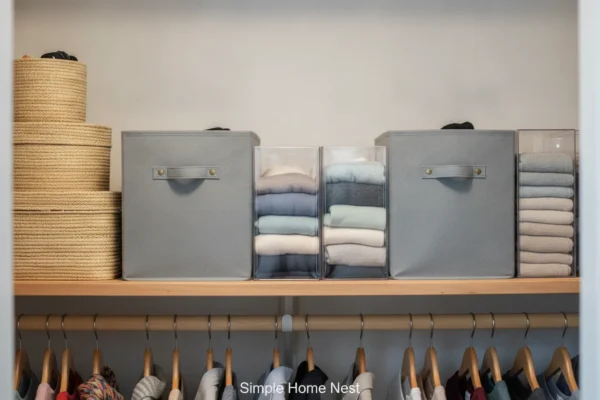
For many beginners, opening the bedroom closet door brings a feeling of dread. Clothes crammed tightly together, mismatched hangers, and shoes piled on the floor make getting dressed in the morning a frustrating chore.
Applying a step by step room organization checklist to your wardrobe helps you break down this overwhelming task into manageable stages. You do not need to tackle the entire closet in one afternoon; instead, work through it systematically.
- Empty the Space: Remove every single item from your closet so you can clean the dust from shelves and see the blank canvas you are working with.
- Sort by Category: Group your clothes into piles such as pants, shirts, dresses, and sweaters so you can easily identify duplicates and items you no longer wear.
- Evaluate Each Piece: Keep only the garments that fit you comfortably today and match your current personal style, donating the rest to local charities.
- Upgrade Your Hangers: Switch to uniform velvet or wooden hangers to instantly create a clean, boutique-like aesthetic and save valuable hanging space.
- Organize by Color: Hang your remaining clothes grouped by category and then by color from light to dark, making it incredibly simple to find outfits.
After organizing your clothes, address your footwear by using a simple over-the-door shoe organizer or a low-profile shoe rack on the closet floor. This keeps your shoes paired and off the ground, preserving their shape and cleanliness.
Remember that organizing your closet is all about visibility. If you can see all your options clearly, you will make better use of your wardrobe and stop buying duplicate items you forgot you owned.
A Simple Room-by-Room Guide to Bathroom Storage
Bathrooms are notoriously small and tend to accumulate expired medicines, half-used lotion bottles, and travel-sized toiletries. Maximizing this compact space requires using vertical storage and organizing the area under your sink.
Start by going through your medicine cabinet and drawers to safely discard expired medications, old sunscreens, and makeup that has past its shelf life. This immediate clearing frees up prime real estate for your daily essentials.
Group your remaining items by category using small, cheap plastic bins. Keep your daily skincare routine in one bin, hair styling tools in another, and first aid supplies in a separate container tucked away on a higher shelf.
Utilizing the space behind your cabinet doors is a smart strategy for bathroom organization. Adhesive hooks can hold hair dryers, while magnetic strips can keep bobby pins, tweezers, and nail clippers organized and easily accessible.
If you lack drawer space, consider installing floating shelves above the toilet. This area is perfect for storing rolled bath towels and glass jars filled with cotton swabs or bath salts, turning utility storage into a decorative feature.
Streamlining the Bedroom for Better Rest
Your bedroom should be a peaceful sanctuary designed for rest, recovery, and romance. However, when nightstands are piled with books and the floor is covered in discarded clothes, your brain struggles to relax fully.
Keep your nightstand surfaces minimal by only keeping a lamp, a book, and a glass of water nearby. Utilize nightstands with drawers to stash charging cables, eye masks, and journals out of direct sight.
The space under your bed is goldmine storage for off-season clothing, extra linens, or holiday decorations. Use long, shallow plastic containers with wheels and lids to protect these items from dust bunnies while keeping them accessible.
Developing simple daily habits is the foundation of an organized bedroom. Taking two minutes to make your bed every morning instantly makes the entire room look organized and sets a productive tone for your day.
Home Office Setup for Focus and Productivity
A cluttered workspace leads to a cluttered mind, making it difficult to concentrate on your daily tasks. Whether you have a dedicated home office or a small corner desk, keeping this area organized is essential for your productivity.
Implement a strict paper management system to handle incoming mail, bills, and documents. Create three simple trays labeled Action, File, and Shred to prevent loose papers from scattering across your desktop.
Tame the tangle of cords under your desk by using simple cable ties or adhesive clips to route cords along the back of your furniture. This simple DIY project prevents visual chaos and makes cleaning the floor much easier.
Only keep items you use hourly within arm’s reach, such as your computer, a notebook, and your favorite pen. Store extra office supplies in nearby drawers or decorative boxes.
At the end of each workday, spend three minutes clearing your desk of coffee mugs, trash, and loose notes. Starting your next morning with a clean surface boosts your motivation and helps you dive straight into deep focus.
Smart Zones for Laundry and Utility Areas
The laundry room is a hardworking space that can easily descend into chaos with dirty clothes, detergent spills, and miscellaneous cleaning supplies. Organizing this area makes laundry day much faster and less stressful.
Establish separate hampers for whites, darks, and delicates so your clothes are already sorted before you even turn on the washing machine. This simple change saves valuable time and prevents sorting piles on the floor.
Store your laundry detergents, stain removers, and fabric softeners on a sturdy shelf close to the machine. For safety, always keep these chemical products on higher shelves out of reach of curious children and pets.
Use pegboards or wall-mounted utility holders to hang your brooms, mops, and dustpans. Getting these long-handled cleaning tools off the floor keeps them clean, dry, and easily accessible whenever a quick cleanup is needed.
How to Maintain Your Newly Organized Home
Maintaining an organized home is not about a single weekend of intense cleaning; rather, it is about building small, daily habits that prevent clutter from returning. Consistency is the secret to long-term success.
To help you visualize this transition, we have compared common chaotic habits with simple, organized routines below:
| Old Chaotic Habit | New Easy Habit |
|---|---|
| Leaving mail on the kitchen counter | Sorting mail immediately over the recycling bin |
| Piling shoes at the front door | Placing shoes on the entryway rack right away |
| Buying storage bins before decluttering | Purging unwanted items first, then measuring for bins |
| Letting dishes pile up in the sink | Loading the dishwasher directly after meals |
| Ignoring clutter until it becomes overwhelming | Doing a quick five-minute nightly tidy-up |
Adopting the one-in, one-out rule is highly effective for keeping clutter at bay. Whenever you bring a new item into your home, whether it is a shirt, a book, or a kitchen tool, make a commitment to donate or discard an older item.
By taking slow, deliberate steps and using this room-by-room guide, you will master Home Organization for Beginners: A Simple Room-by-Room Guide and enjoy a cozy, functional home. Start with one small drawer today and watch your living space transform.
Frequently Asked Questions about Home Organization for Beginners: A Simple Room-by-Room Guide
Why is decluttering first so essential for Home Organization for Beginners: A Simple Room-by-Room Guide?
Decluttering first is crucial because you cannot organize items you do not need or use. Attempting to organize clutter only shifts the mess around, leading to wasted money on unnecessary storage containers and ultimate frustration before you even begin styling your rooms.
How do I start organizing my home without feeling completely overwhelmed?
To avoid mental fatigue, start with small, manageable zones like a single drawer or shelf. Focus on achieving tiny victories to build momentum, and separate your items into four distinct categories: keep, donate, recycle, and discard, based on their true daily value.
What are the benefits of organizing your kitchen into functional zones?
Creating functional zones in the kitchen, such as a dedicated coffee station, streamlines your daily routine by grouping similar items together. This logical placement saves you valuable steps and time, keeping your most-used items easily accessible and your countertops completely free of chaos.
Should I buy storage bins and baskets before I begin the decluttering process?
No, buying storage containers beforehand is a common mistake. You must first purge unnecessary items to understand your actual storage needs; otherwise, you will end up with empty wallets and overflowing bins filled with things that do not serve any genuine purpose in your life.
Is professional help required to achieve a clean and organized living space?
Absolutely not. You do not need expensive professional organizers or complex storage systems to maintain a tidy home. By mastering simple habits, changing your relationship with your belongings, and dedicating yourself to basic room-by-room strategies, anyone can easily sustain a functional and welcoming environment.