Did you know that overwatering is the number one cause of houseplant death in American households? Choosing the correct container is not just an aesthetic decision, but a vital step in keeping your green companions alive and thriving.
Finding the best indoor plant pots can feel overwhelming with so many options on the market. By understanding how different materials and sizes affect your soil, you can easily create a beautiful, healthy indoor jungle.
Why Choosing the Best Indoor Plant Pots Matters
When we bring a new plant home, we often focus on finding the perfect sunny spot on a shelf. However, the container you choose acts as the actual home for your plant’s root system, directly influencing how moisture and oxygen circulate.
Using the best indoor plant pots ensures that your plant does not sit in stagnant water, which suffocates roots. In our daily home styling, we notice that matching the container to the specific plant species prevents many common growing headaches.
Selecting the best indoor plant pots also helps regulate soil temperature, keeping delicate roots insulated during cold winter drafts. Investing a little time in selecting the right home for your greenery will save you money on replacement plants later.
For those just starting their green journey, choosing the right container is just as important as selecting indoor plants for beginners to ensure long-term success.
The Core Features of the Best Indoor Plant Pots
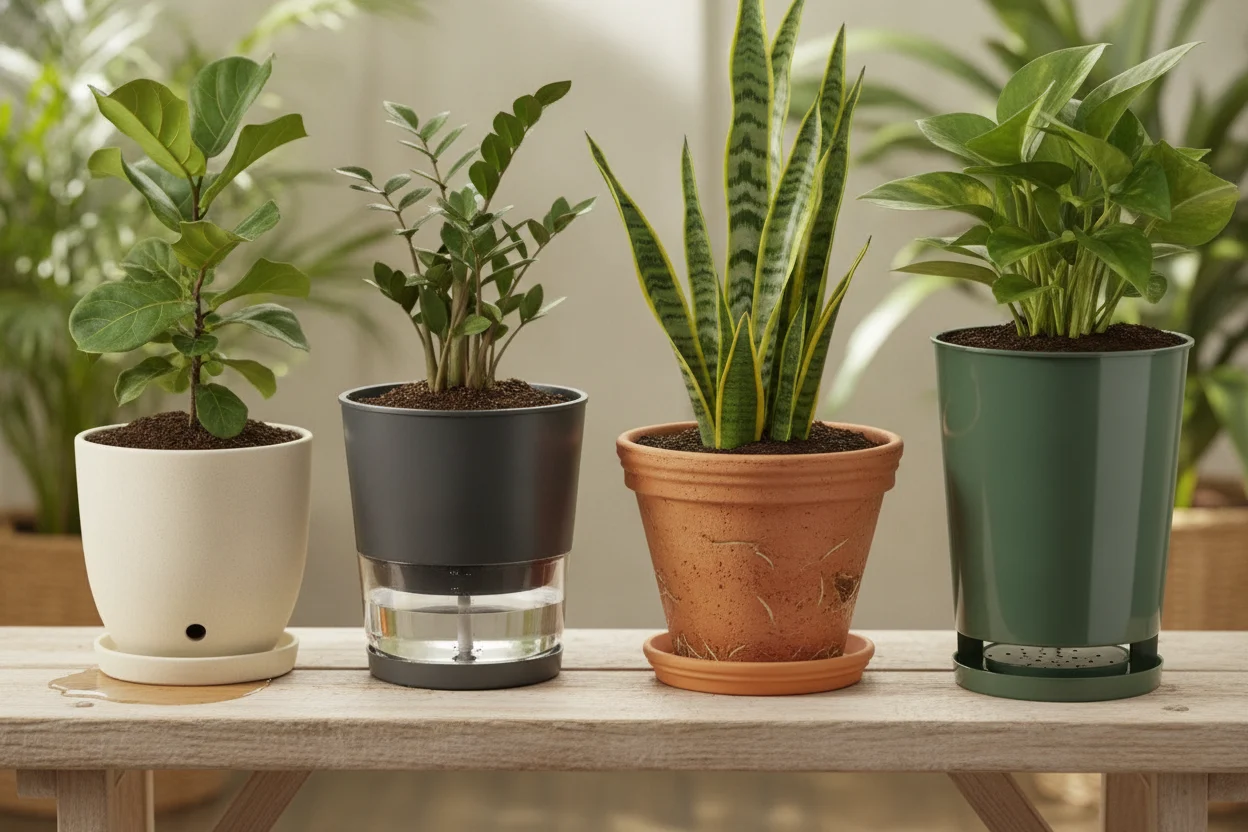
The single most important feature to look for when shopping is a proper drainage hole. Without a quick way for excess water to escape, soil quickly becomes waterlogged, leading to root rot.
For beginners, a practical starting point is choosing the best indoor plant pots that feature built-in drainage holes. This simple detail prevents moisture from pooling at the bottom of the container, keeping the root system healthy and active.
“Many plant owners underestimate the importance of drainage, but proper water runoff is the absolute foundation of successful indoor gardening.”
— Sarah Jenkins, Urban Horticulture Educator
If you find the best indoor plant pots without drainage holes, you can easily use them as decorative covers. Simply keep your plant in its plastic utility pot and slide it inside the prettier outer container.
To protect your wooden tables and windowsills from water damage, always pair your pots with a matching saucer. This setup catches runoff during watering sessions, keeping both your plants and your home happy.
Comparing Popular Plant Pot Materials
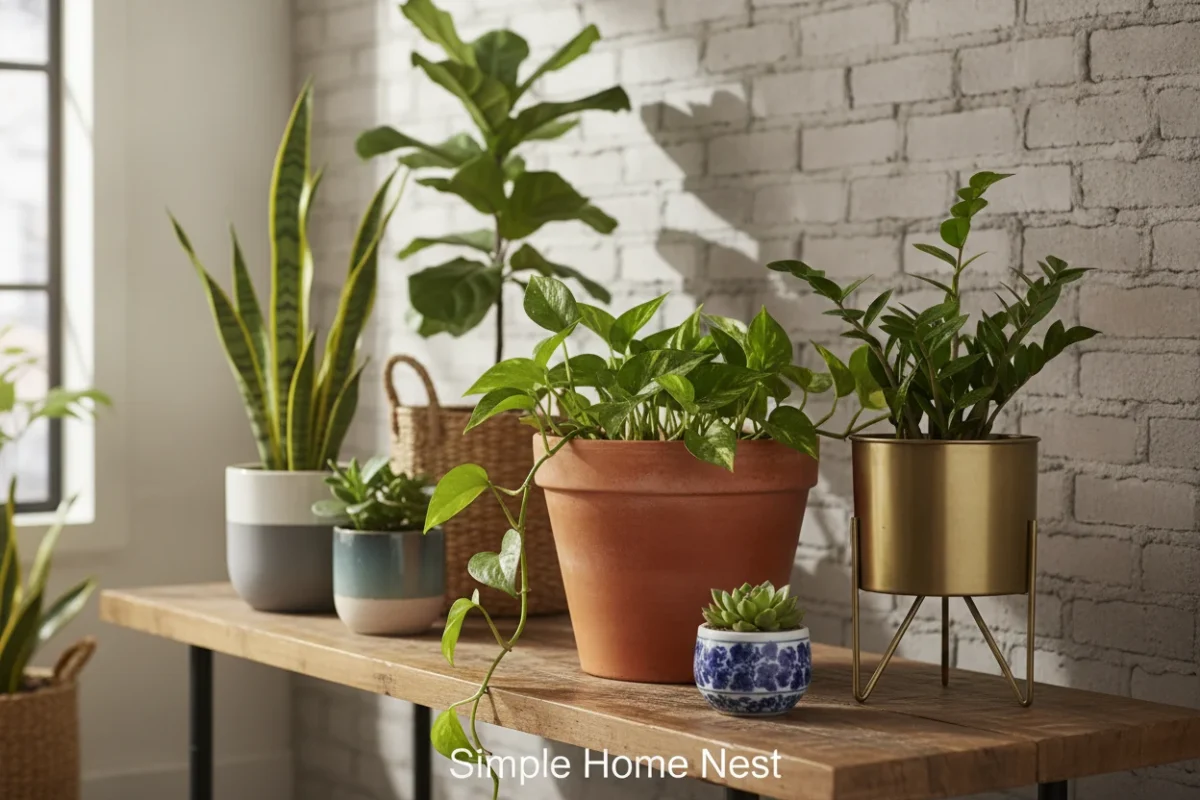
Different materials interact with moisture and soil in unique ways, making material selection a key step in finding the best indoor plant pots for your home.
Before purchasing, it helps to understand how lightweight plastics compare to heavy ceramics. In practice, matching the material to your watering habits makes plant care much more manageable.
| Material | Weight | Moisture Retention | Best For |
|---|---|---|---|
| Terracotta | Heavy | Low (Very Porous) | Succulents and Cacti |
| Plastic | Very Light | High (Non-Porous) | Ferns and Calatheas |
| Ceramic | Heavy | Medium to High | Most Tropical Plants |
| Concrete | Very Heavy | Low to Medium | Large Floor Plants |
If you tend to overwater your plants, porous terracotta is often the best choice because it allows moisture to evaporate through the walls. For those who frequently forget to water, plastic or glazed ceramic containers help retain moisture longer.
Choosing the best indoor plant pots in lightweight plastic is also ideal for hanging displays. This reduces the weight strain on your ceiling hooks while keeping your plants hydrated.
Selecting the Right Pot Size for Your Greenery
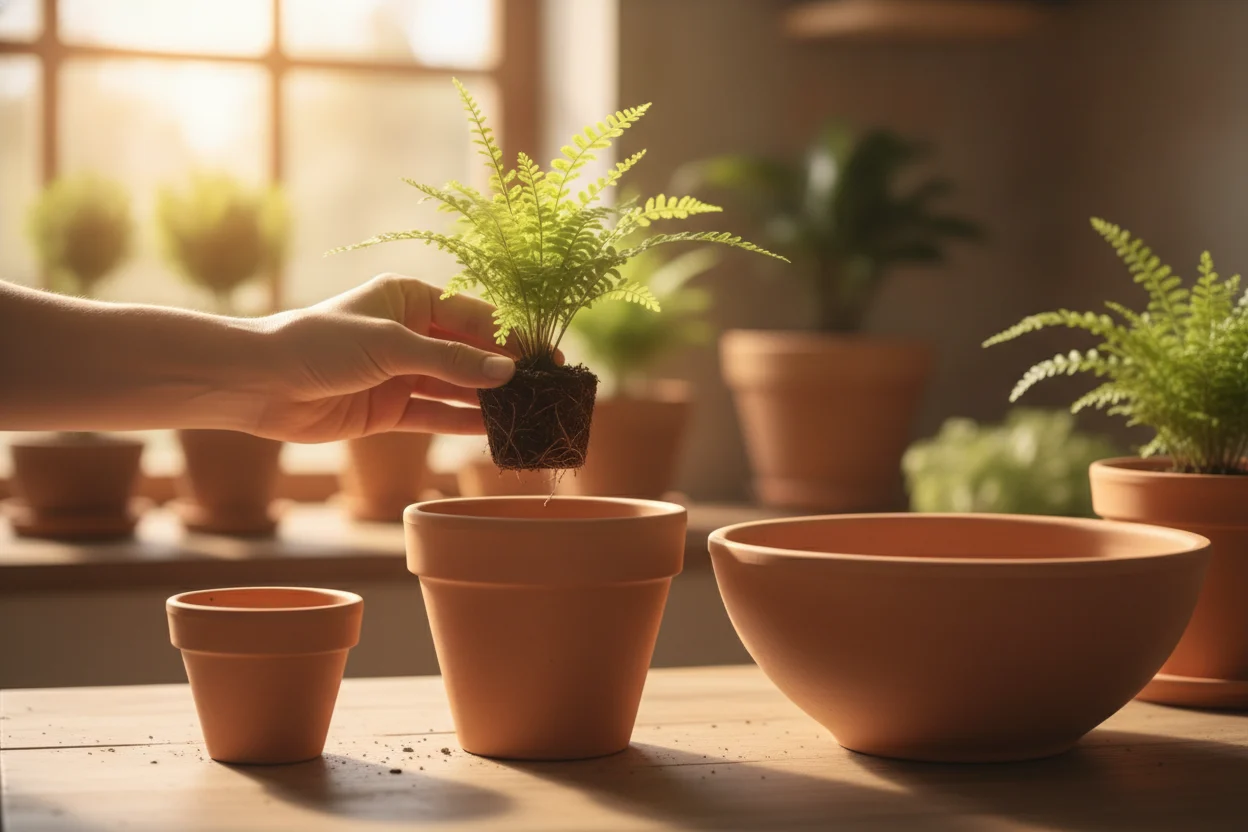
When it is time to repot a growing plant, choosing the correct size is essential for healthy root development. A common mistake is moving a plant into a massive container, thinking it will give the roots more room to grow.
In reality, oversized containers hold far too much soil, which retains excess moisture for days on exit. The best indoor plant pots for repotting should only be 1 to 2 inches larger in diameter than the current container.
For fast-growing tropicals, a 2-inch increase gives the root system plenty of space to expand without overwhelming the plant. For slow-growing varieties like succulents, a 1-inch increase is more than enough.
Always check the root ball before purchasing new containers. If the roots are tightly coiled or growing out of the drainage holes, it is a clear sign that your plant is ready for a slightly larger home.
Stylish Designs for Small Spaces and Apartments
Living in a compact apartment does not mean you have to limit your plant collection. You can easily find the best indoor plant pots designed specifically to maximize limited square footage.
* Hanging Planters: Excellent for trailing species, these containers free up valuable table space by utilizing vertical areas.
* Wall-Mounted Pots: These turn your plants into living wall art, perfect for bright hallways or small kitchens.
* Narrow Windowsill Planters: Designed with a slim profile to fit perfectly on standard windowsills without blocking your view.
* Magnetic Planters: Ideal for refrigerators or metal filing cabinets, adding a touch of green to unexpected places.
By utilizing these vertical options, you can easily display your favorite low light plants for apartments without cluttering your living areas.
Using the best indoor plant pots with vertical designs also keeps trailing vines out of reach of curious pets. This makes small-space gardening safer, cleaner, and highly organized.
How to Use Cachepots and Decorative Outer Pots
Double-potting, or using a cachepot, is a highly popular styling method among experienced plant collectors. A cachepot is simply a decorative outer pot that does not have a drainage hole.
To use this method, you keep your plant in its cheap plastic grower pot and place it inside the cachepot. When searching for the best indoor plant pots, this technique allows you to use beautiful vintage or ceramic containers without risking root rot.
This approach makes watering incredibly simple. You can easily remove the plastic grower pot, take it to the sink, water it thoroughly, let it drain completely, and then place it back into its decorative sleeve.
Using cachepots also allows you to change your home decor style whenever you want. You can swap your plants between different containers without going through the messy process of repotting them.
Practical Maintenance Tips for Indoor Containers
To keep your indoor garden healthy, it is essential to clean and sanitize your containers periodically. Over time, mineral deposits from tap water and fertilizer can build up on the inside of your pots.
Before reusing any container for a new plant, scrub it thoroughly with warm water and mild soap. This simple chore removes potential pests, mold spores, and diseases that could harm your next green companion.
If you are reusing clay containers, soaking them in a mixture of one part vinegar to four parts water helps dissolve stubborn white mineral rings. Always let your containers dry completely before filling them with fresh potting soil.
For those who enjoy keeping their garden tools as clean as their containers, taking care of your gear is just as important as finding the best pruning shears for roses or keeping your watering cans free of debris.
Transform Your Space with the Perfect Pots
Finding the best indoor plant pots is a rewarding process that combines practical plant care with your personal home decor style. By focusing on essential features like drainage, matching your pot material to your watering habits, and sizing up gradually, you create a supportive environment where your plants can truly flourish.
Ready to elevate your indoor garden setup? Take a look at your current plant collection today, identify which plants might need a size upgrade, and start exploring new container styles to refresh your cozy living spaces.
Frequently Asked Questions about best indoor plant pots
Why is choosing the best indoor plant pots so critical for houseplant survival?
Selecting the best indoor plant pots is vital because the container serves as your plant’s actual home, directly influencing how moisture and oxygen circulate. The right pot regulates soil temperature during cold winter drafts and prevents stagnant water from suffocating delicate roots, saving you money on replacement plants.
How do I use a decorative pot that does not have drainage holes?
If you find the perfect pot without drainage, you can use it as a decorative cover. Simply keep your indoor plant in its original plastic utility pot and slide it inside the prettier outer container, making sure to remove it when watering to prevent moisture buildup.
What is the most important feature to look for in indoor containers?
The single most important feature for any indoor container is a proper drainage hole. Without a quick way for excess water to escape, soil quickly becomes waterlogged, which leads to root rot, the number one cause of houseplant death in American households.
How can I protect my wooden furniture from water damage when watering plants?
To protect your wooden tables, shelves, and windowsills from moisture damage, you should always pair your plant pots with a matching saucer. This practical setup catches excess runoff during your watering sessions, keeping both your plants and your home surfaces completely safe.
Is it true that any beautiful container works well for all houseplant species?
No, that is a common myth. Different materials interact with soil and moisture in unique ways, meaning you must match the container material to your specific plant’s needs and your personal watering habits to ensure your indoor jungle thrives long-term.