Think your apartment is too dark to grow anything? Think again. While millions of urban renters believe a shadowy room is a death sentence for houseplants, a select group of “unkillable” species actually thrives in near-darkness. You don’t need expensive grow lights or floor-to-ceiling windows—you just need the right biological matchmakers.
Did you know that over 60% of apartment dwellers struggle to keep indoor greenery alive due to blocked windows and high-rise shadows? Finding the right low light plants for apartments can instantly transform a dim rental into a lush, welcoming sanctuary without requiring expensive lighting setups.

- Realistic Dracaena Design Tall 5-foot artificial dracaena tree with 6 full, lush heads designed to look like a real indo…
- Perfect Floor Plant for Any Room or Outdoor Spaces Ideal as a faux indoor floor plant for living rooms, bedrooms, apartm…
- No Maintenance Required Enjoy the beauty of indoor plants without watering, sunlight, or mess. This artificial tree stay…
Many beginners assume that a dark room is an automatic death sentence for houseplants. Fortunately, several incredibly resilient species are naturally adapted to thrive in low-light environments, making them perfect for cozy apartments and busy, on-the-go lifestyles.
Why Low Light Plants for Apartments Work
Living in a ground-floor unit or a north-facing apartment often means natural sunlight is a rare luxury. For those navigating the daily challenges of small space living, introducing low light plants for apartments offers an easy, budget-friendly way to bring nature indoors without needing massive bay windows.
These hardy plants are incredibly forgiving, making them absolutely ideal for busy renters. Because they grow slowly in dim environments, they require far less frequent watering and pruning. This slow metabolic rate means you do not have to fuss over them constantly, which is a major win for anyone still learning the basics of plant care.
“In the wild, many popular low light plants for apartments grow beneath dense forest canopies, where they receive only dappled, indirect sunlight.”
— Dr. Elizabeth Carter, Urban Botanist
In practice, we observe that these species have evolved broader leaves packed with high levels of chlorophyll. This brilliant evolutionary adaptation allows them to capture every single photon of light available in a dim room. Understanding this natural survival mechanism helps us easily replicate their preferred environment at home.
Choosing these resilient varieties drastically reduces the stress of plant parenting. Instead of constantly moving heavy pots around to chase the sun, you can place these highly adaptable species in quiet corners and enjoy their steady, quiet growth.
Top Low Light Plants for Apartments
Selecting the right foliage is the crucial first step toward building a successful indoor garden. When looking for the best low light plants for apartments, you want to focus heavily on durability, structural beauty, and minimal maintenance requirements.
For most beginners, starting with a curated list of proven survivors is the smartest approach. These specific plants have earned a global reputation for being nearly indestructible, even when placed far from windows or in windowless bathrooms with minimal ambient light.
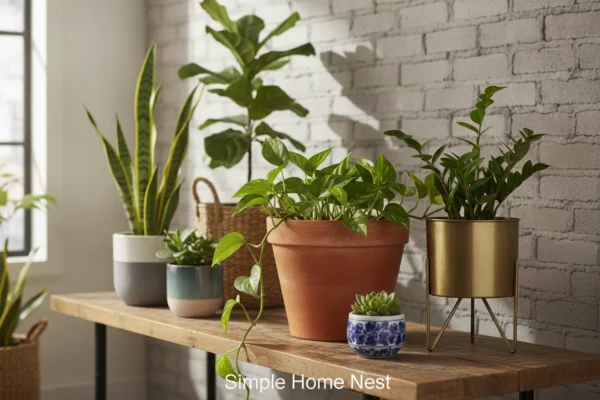
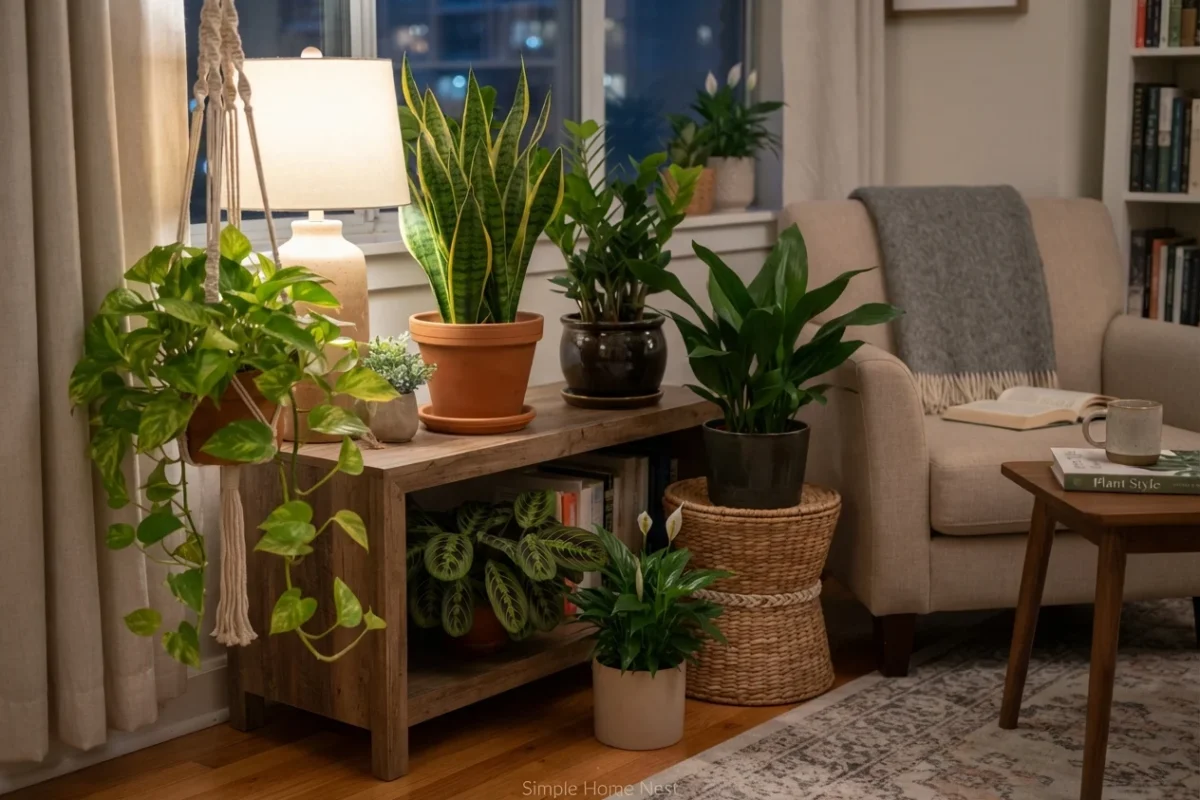
- ZZ Plant: This striking plant features glossy, deep green leaves that reflect available light. It stores water in large rhizomes beneath the soil, meaning it only needs watering once the soil is completely dry.
- Snake Plant: Known for its upright, sword-like leaves, this tough plant is highly tolerant of neglect. It functions perfectly as one of the best low light plants for apartments because it tolerates dry air and infrequent watering.
- Cast Iron Plant: True to its name, this leafy green favorite survives in near-darkness and extreme temperature fluctuations. It is an excellent choice for drafty hallways or cold entryways where other plants might wither and die.
- Pothos: A classic trailing vine that can be draped beautifully over shelves or hung from the ceiling. It is highly expressive, letting you know it needs water by slightly wilting, then bouncing back quickly after a good drink.
Introducing these species into your home creates an instant connection to nature. If you are brand new to the world of indoor gardening, reviewing an indoor plants guide can help you quickly build the confidence needed to care for your new green roommates.
Comparing Light and Water Needs
Managing resources is the ultimate secret to keeping your low light plants for apartments healthy over the long term. In dimmer spaces, water evaporates much slower than it does in bright, sunny rooms.
A simple way to approach this is by matching each plant with its specific moisture tolerance. Overwatering is the absolute most common mistake made by apartment renters, so keeping a clear schedule based on light levels is essential.
| Plant Variety | Ideal Room Placement | Watering Frequency |
|---|---|---|
| ZZ Plant | Interior hallways or dark corners | Every 3 to 4 weeks |
| Snake Plant | Beside a north-facing window | Every 3 weeks |
| Pothos | High shelves or hanging baskets | Every 1 to 2 weeks |
Using this table as a practical starting point is a great way to avoid waterlogged soil. Remember that low light plants for apartments do not experience rapid transpiration, meaning they hold onto moisture in their pots for a surprisingly long time.
Signs Your Plant Needs More Light
Even the most resilient low light plants for apartments will let you know if they are reaching their absolute physical limit. Recognizing these critical warning signs early allows you to make quick adjustments before any permanent damage occurs.
One common symptom is etiolation, which is the botanical term for leggy growth. When a plant does not receive enough light, it stretches its stems aggressively toward the nearest light source, resulting in sparse leaves and weak, spindly branches.
Another clear indicator is the loss of variegation. If you have a plant with beautiful cream or yellow patterns and notice the new leaves are turning completely solid green, the plant is producing more chlorophyll to maximize its light absorption. Additionally, if the soil remains wet for more than two weeks after watering, the lack of light is preventing proper evaporation.
If you notice these signs, simply move your low light plants for apartments a few feet closer to a window, or introduce a gentle, energy-efficient grow light to supplement the natural environment.
Practical Tips for Dim Spaces
Maximizing the limited light in a small home does not require expensive renovations or professional equipment. You can easily optimize your space using simple, everyday household items.
A beginner-friendly approach is to regularly wipe the dust off your plant leaves. In apartments, dust accumulates quickly, blocking valuable sunlight and slowing down photosynthesis. A quick wipe with a damp microfiber cloth once a month keeps the leaves clean and functioning at their best.
Another helpful method is to rotate your pots by 90 degrees every time you water. This ensures all sides of your low light plants for apartments receive equal exposure, preventing lopsided, uneven growth. You can also hang strategically placed mirrors to bounce natural light from your windows into the darker corners of your living room.
For those who enjoy hands-on home improvement, incorporating these plant-friendly tweaks can be paired with other easy DIY projects to refresh your entire living space on a budget.
Common Apartment Plant Mistakes to Avoid
Caring for low light plants for apartments is simple once you move past a few common misconceptions. The biggest pitfall is watering on a strict calendar schedule rather than checking the actual moisture level of the soil.
Always push your finger two inches into the soil before watering; if it feels damp, wait a few more days. Additionally, never use pots that lack proper drainage holes. Without drainage, excess water pools at the bottom of the pot, suffocating the roots and causing root rot, which is incredibly difficult to cure.
Finally, avoid placing your delicate low light plants for apartments directly next to drafty air conditioning vents, radiators, or heaters. Extreme temperature fluctuations dry out the foliage rapidly, causing brown, crispy edges. By avoiding these simple traps, you can enjoy vibrant, healthy indoor greenery all year round.
Bring Your Cozy Apartment to Life
Embracing the beauty of low light plants for apartments is one of the easiest ways to make a rented space feel like a true home. By choosing resilient species like the ZZ plant, snake plant, or pothos, you can enjoy vibrant greenery without worrying about bright, direct sunlight. With the right watering habits and a few simple placement adjustments, your indoor garden will thrive effortlessly.
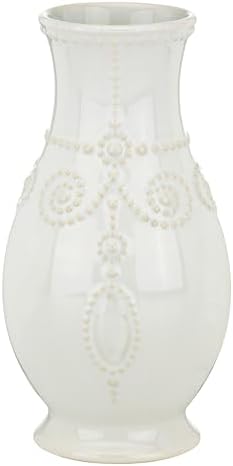
- WHY IT’S SPECIAL: Lenox French Perle 8″ vase is ideal for displaying everything from a single rose to an assortment of w…
- WHO IT’S PERFECT FOR: A thoughtful gift for anyone who loves fresh flowers or enjoys decorating their space with elegant…
- WHAT’S IN THE BOX: Includes (1) 8″ vase
Ready to take your cozy home to the next level? Explore our practical guides to find more simple, budget-friendly ideas for organizing your space and creating your own peaceful indoor sanctuary today.