Rose stems can bruise fast, and one rough cut often slows new growth. Choosing pruning shears for roses is less about fancy features and more about getting clean cuts, steady control, and a tool that feels easy to use every week.
If you grow a few patio roses or manage a fuller backyard bed, the right pair can make routine trimming feel much simpler. This guide walks through eight practical options and the buying details that matter before you spend.
What to look for before you buy
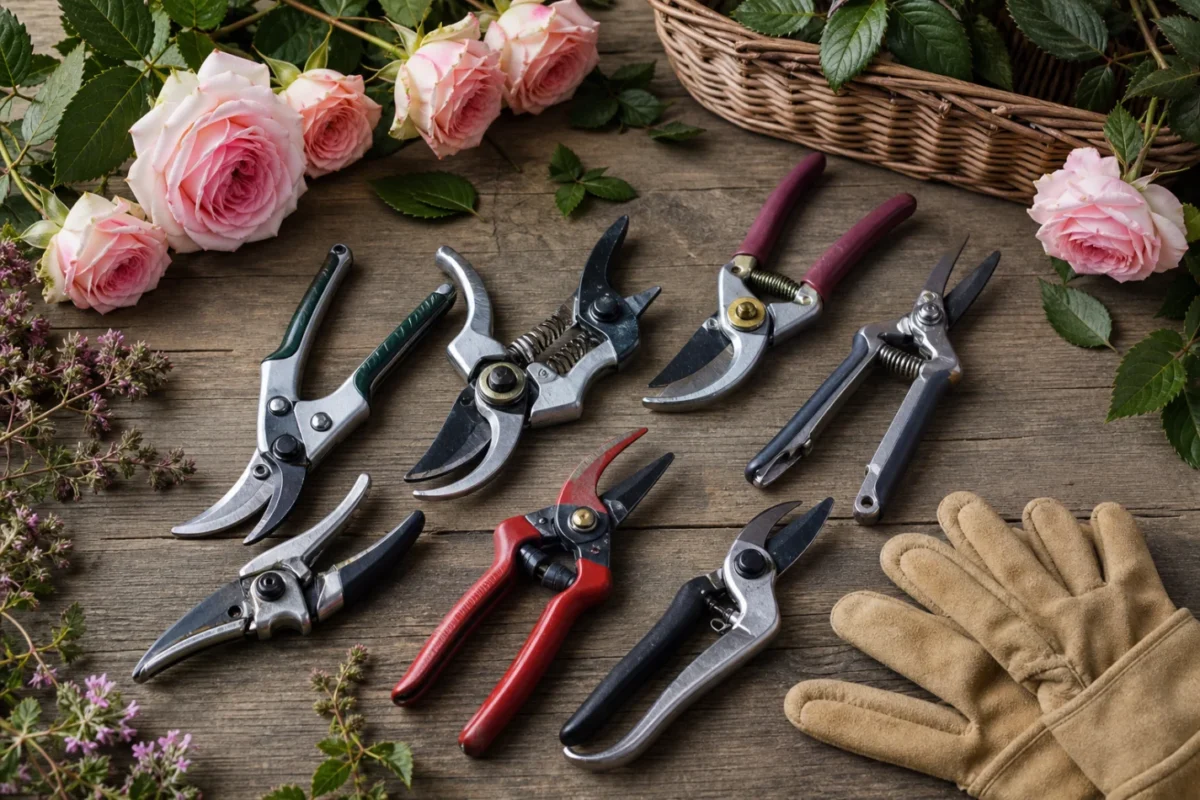
The first thing to compare is blade style. For most delicate stems, pruning shears for roses should use a bypass design, where one sharp blade slides past another and leaves a cleaner cut than an anvil model.
Anvil pruners can still help with dry, dead wood, but they tend to crush softer stems. If your main job is deadheading blooms, shaping canes, and trimming light growth, pruning shears for roses usually work best when they cut like scissors.
Handle comfort matters more than many beginners expect. A good pair should open wide enough for control without forcing your hand to stretch too far. Soft grips, balanced weight, and a spring that reopens smoothly all make pruning shears for roses easier to manage.
Also check the lock. A safety latch should be simple to use with one hand, especially if you move often between stems. In practice, pruning shears for roses feel much more convenient when the lock is easy to open without changing your grip.
Cutting capacity is another detail worth reading closely. Most home gardeners do well with a capacity around 1/2 inch to 3/4 inch. That range covers many rose stems and tender shrub growth without making the tool bulky.
Weight and maintenance are where long-term satisfaction usually shows up. Lighter shears reduce fatigue, while sharpenable blades and replaceable springs can extend the life of pruning shears for roses. If you like simple upkeep, guidance from UMN Extension can help with basic tool care.
Best pruning shears for roses overall
The strongest all-around category is a mid-priced bypass pruner with hardened steel blades, cushioned grips, and a moderate cutting capacity. For most households, this style of pruning shears for roses balances reliable performance with a price that still feels reasonable.
It suits homeowners who prune regularly through the growing season but do not need pro-level gear. A sturdy center spring and clean blade alignment help pruning shears for roses move through green canes and spent blooms without feeling stiff.
Look for a model in the familiar 8-inch range with a comfortable hand fit. That size tends to offer enough leverage without becoming awkward around crowded growth. Many readers shopping for pruning shears for roses want exactly this middle ground.
Durability and value are what set this pick apart. You usually get better steel than entry-level tools, but not the premium price of specialty brands. For regular deadheading, shaping, and light cleanup, pruning shears for roses in this category often cover nearly everything.
Best budget pick for beginners
A budget bypass pruner is often the smartest starting point for new gardeners. Affordable pruning shears for roses can still handle basic trimming well if the blade is reasonably sharp, the spring works smoothly, and the lock does not feel flimsy.
At this price level, the trade-offs are usually simple. You may get stamped metal instead of more refined forged construction, thinner grip padding, and less polished ergonomics. Even so, pruning shears for roses do not need to be expensive for occasional deadheading and light stem cuts.
This kind of tool makes sense for renters, casual gardeners, or anyone building a small kit one piece at a time. If your roses live on a balcony or near a compact patio setup, pruning shears for roses in the budget range can still keep plants tidy.
A practical way to think about it is frequency. If you prune only now and then, buying a lower-cost pair first is often more sensible than overspending on features you may never notice. Many beginners can start here and upgrade later if needed.
That same practical mindset works well in other small-home projects too, whether you are editing your storage setup or trying to declutter in manageable steps.
Best ergonomic choice for comfort
If hand fatigue is a concern, comfort should move near the top of your list. Ergonomic pruning shears for roses often include softer grips, lower hand strain, and springs that reopen the blades without forcing extra effort.
Some models use a rotating handle, which lets the lower grip move with your fingers. That design can reduce rubbing and pressure during longer sessions. For people with arthritis concerns, pruning shears for roses with a rotating handle may feel easier over time.
Shock-absorbing bumpers also help. They soften the jolt when blades close, which matters more than many shoppers realize. When repeated cuts are part of your routine, pruning shears for roses should protect your hands as much as they protect delicate stems.
We often see comfort treated like a bonus feature, but it affects cut quality too. When a tool is easier to squeeze and control, gardeners are less likely to twist the blade or crush tender growth. That is a meaningful benefit for roses, herbs, and flowering perennials.
If you are planning bigger seasonal cleanup days, comfort-focused pruning shears for roses can be the pair that actually gets used consistently instead of left on a shelf.
Best lightweight shears for small hands
Standard pruners can feel bulky fast, especially around compact rose bushes or container gardens. Lightweight pruning shears for roses are a better fit when you want easier control in tight spaces and less strain from repeated opening and closing.
Smaller handle spans help a lot here. A tool that matches your hand size improves precision, especially when trimming near buds or weaving between thorny stems. For patio gardeners, pruning shears for roses should feel nimble rather than oversized.
A lighter build also makes routine flower care less tiring. Many apartment dwellers or renters grow just a few containers, so they do not need heavy-duty tools. In practice, pruning shears for roses with a smooth spring and low overall weight are often the easiest to reach for.
This category also pairs well with compact living. If your gardening tools need to fit on a shelf, in a bin, or beside other essentials, smaller gear simply fits better. Readers interested in small-space living often benefit from tools that are easier to store and easier to handle.
Best premium option for frequent use
For frequent pruning, a premium bypass pruner can make sense. Higher-end pruning shears for roses usually justify the price through better steel, smoother pivot action, replaceable parts, and ergonomics that stay comfortable through years of use.
One of the biggest advantages is blade quality. Stronger steel tends to hold an edge longer, which means cleaner cuts with less force. If you prune weekly, pruning shears for roses with better edge retention can save time and reduce hand fatigue.
Another difference is repairability. Some premium brands offer replaceable springs, blades, and even handle components. That matters if you want a tool to maintain rather than toss. Resources from RHS also reinforce how sharp, clean tools support healthier pruning.
We usually suggest this category for gardeners with several rose bushes, mixed borders, or regular seasonal maintenance. Pruning shears for roses at the premium end are not about showing off. They are about smoother daily use and better long-term value.
The price still needs to match your habits. If your pruning is occasional, the extra cost may not pay off. But for frequent use, refined pruning shears for roses can feel more consistent month after month.
How these 8 options compare
A side-by-side view makes the decision easier, especially if several categories sound close. The chart below compares eight common types of pruning shears for roses by feel, maintenance, and the kind of gardener each one tends to suit best.
| Option | Blade Style | Weight Feel | Comfort Features | Best Use Case | Maintenance Level | Value Range |
|---|---|---|---|---|---|---|
| All-around bypass pruner | Bypass | Medium | Cushioned grips, balanced spring | Regular home rose care | Low to moderate | Mid-range |
| Budget bypass pruner | Bypass | Light to medium | Basic grip coating | Beginners and occasional use | Moderate | Low |
| Ergonomic rotating-handle pruner | Bypass | Medium | Rotating handle, shock absorption | Long sessions, hand fatigue | Moderate | Mid to high |
| Compact pruner for small hands | Bypass | Light | Narrow handle span, soft grips | Container roses, tight spaces | Low | Low to mid |
| Premium forged pruner | Bypass | Medium | Refined ergonomics, replaceable parts | Frequent pruning | Low to moderate | High |
| Ultra-light floral pruner | Bypass | Very light | Easy spring action | Deadheading and soft stems | Moderate | Low to mid |
| Heavy-duty garden pruner | Bypass | Medium to heavy | Thicker handles, stronger leverage | Mixed shrubs and thicker stems | Moderate | Mid to high |
| Anvil backup pruner | Anvil | Medium | Basic grips | Dry, dead wood only | Low | Low |
If your main goal is clean bloom care, most of these rows point back to bypass models. For everyday pruning shears for roses, the differences usually come down to comfort, size, and how often you expect to use them.
How to choose the right pair
The easiest way to narrow your choice is to match the tool to your routine, not to the most expensive feature list. Good pruning shears for roses should fit your plants, your hand comfort, and the amount of pruning you actually do.
If you only trim a few containers, you probably need less tool than someone managing multiple beds. On the other hand, repeated weekly cutting can make better ergonomics and stronger steel worth paying for in pruning shears for roses.
Use this simple framework to decide without overthinking the purchase.
- Choose by frequency: If you prune once in a while, start with a budget or mid-range bypass pair. If you prune often, consider pruning shears for roses with better steel and replaceable parts.
- Choose by hand size: Smaller hands usually do better with compact, lighter models and narrower handle openings.
- Choose by comfort: If your hands tire easily, prioritize soft grips, smooth spring action, and shock absorption over extra cutting power.
- Choose by plant type: For delicate stems and regular deadheading, bypass blades are usually the safer pick. Keep anvil styles for dry wood, not fresh rose growth.
- Choose by pruning volume: One or two rose pots need a simpler tool than a yard with mixed shrubs, repeat bloomers, and seasonal cleanup.
- Choose by budget: Lower-cost options are fine for learning. Pay more only if you want better longevity, serviceable parts, or more refined ergonomics.
One helpful method is to picture your next trimming session. Are you shaping one patio rose after watering, or moving through several plants for half an hour? That answer usually points to the right pruning shears for roses faster than any product claim.
If you are also building a calmer, easier-care plant setup indoors, our guide to low-light plants can help you choose greenery that fits everyday life.
The pair you will actually keep using
The best pruning shears for roses are usually the pair that feels comfortable, makes clean cuts, and fits your garden size without adding fuss. For most readers, a reliable bypass pruner offers the best balance of control, durability, and everyday value.
Start with the option that matches your habits now, not an idealized future setup. If you want a practical next step for a simpler home-and-garden routine, explore our small-space and plant guides to build an easier system around the tools you use most.
Frequently Asked Questions about pruning shears for roses
What type of pruning shears for roses works best for routine trimming?
For regular rose care, bypass pruners are usually the best choice because they make cleaner cuts on soft, living stems. They are better suited for deadheading, shaping canes, and trimming light growth than anvil models, which can crush delicate rose tissue.
How do I choose the right cutting capacity for rose pruning at home?
Most home gardeners do well with a cutting capacity between 1/2 inch and 3/4 inch. That range handles common rose stems and light shrub growth without making the tool too heavy, bulky, or awkward when working around tighter garden spaces.
Why does handle comfort matter so much when pruning roses?
Comfort affects control, accuracy, and hand fatigue, especially during weekly trimming. Soft grips, balanced weight, a smooth spring, and a one-handed safety lock make pruning easier and safer, particularly when moving quickly between blooms, canes, and crowded stems.
Are anvil pruners better than bypass pruners for rose bushes?
Not usually for live rose stems. Bypass pruners cut more like scissors and leave a cleaner finish, which supports healthier growth. Anvil pruners can still be useful on dry or dead wood, but they are generally less ideal for delicate green rose canes.
Do I need expensive shears to get good results on roses?
No, a mid-priced model often gives the best balance of value and performance. Look for hardened steel blades, cushioned handles, clean blade alignment, and basic serviceable parts. Good maintenance and sharp blades matter more than paying for premium branding alone.