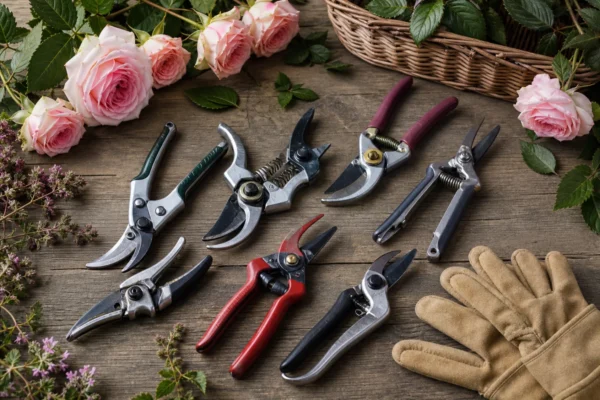
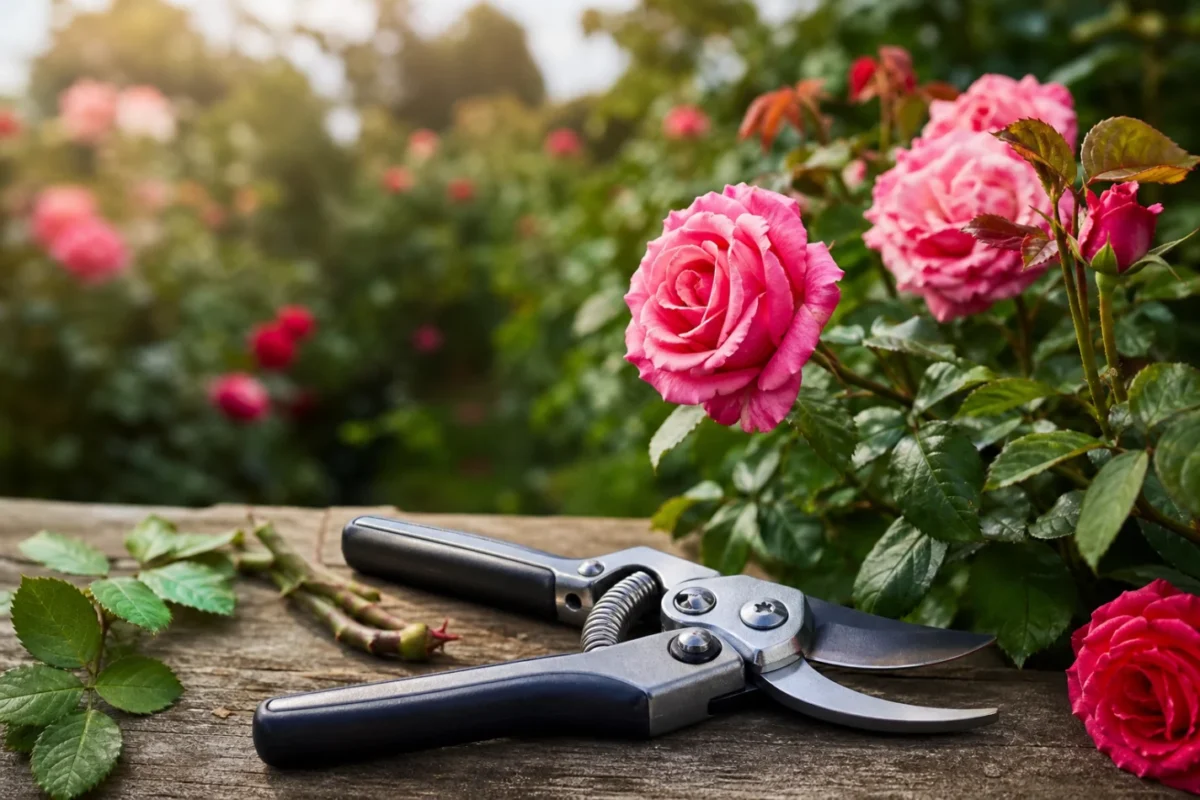
Did you know a rough cut can leave rose canes more vulnerable to damage and make seasonal pruning feel harder than it should? The best pruning shears for roses help create cleaner cuts, better control, and less hand strain during routine garden care.

That matters whether you grow a few patio roses or manage a fuller backyard bed. A good pair is not just about sharp blades. It is also about comfort, fit, and choosing a tool that makes regular pruning quicker and less frustrating.
Why roses need the right shears
Roses respond better when cuts are clean and precise. Healthy live canes are easier to shape when pruning shears for roses slice through them smoothly instead of pinching or tearing the stem surface.
When the tool is dull or bulky, the job slows down fast. You may find yourself making extra cuts, twisting your wrist, or forcing the blade through stems that should be handled in one motion by pruning shears for roses.
That extra effort adds up during late winter pruning or summer deadheading. Pruning shears for roses are meant to help you reach between thorny stems, remove spent blooms neatly, and keep everyday maintenance more manageable.
A practical starting point is thinking about the plant first, not the tool shelf. Roses often have live green growth that benefits from a cleaner cutting style, so pruning shears for roses should support accuracy rather than raw cutting power.
What to look for before you buy
Shopping gets easier when you narrow the decision to a few features that actually affect daily use. For most homeowners and casual gardeners, pruning shears for roses should feel easy to open, easy to control, and easy to lock.
- Blade sharpness: A sharp blade makes smoother cuts and reduces crushing on live stems. This is one of the first things to compare when looking at pruning shears for roses.
- Bypass design: For live growth, bypass-style pruning shears for roses are usually the simplest and safest place to start because the blades pass each other like scissors.
- Handle comfort: Look for grips that do not feel slippery or overly hard. A comfortable handle helps pruning shears for roses stay usable during repeated deadheading sessions.
- Spring action: A smooth spring reduces hand fatigue by reopening the blades after each cut. This matters more than many beginners expect.
- Lock design: A lock should be easy to operate with one hand and should stay secure in storage. Awkward locks can become irritating quickly.
- Weight and balance: Lightweight pruning shears for roses are often easier for apartment gardeners, older adults, and anyone doing frequent light pruning.
- Maintenance options: Replaceable blades, accessible screws, and simple cleaning points can make a tool more useful over several seasons.
If you want a more product-focused shortlist, this rose guide can help you compare options without overthinking the process.
Best pruning shears for roses features
Some features matter more for roses than for general yard cleanup. Thorny stems, tighter spaces, and frequent repeat cuts all shape what makes pruning shears for roses easier to live with.
First, look for narrower blades. Slimmer pruning shears for roses can slip between crowded canes with less bumping and fewer awkward angles. That makes detail work, like deadheading or removing thin interior growth, feel more controlled.
Smooth blade action matters just as much. A pair of pruning shears for roses should open and close without sticking, grinding, or snapping back too aggressively. In practice, that smoother motion helps reduce hand fatigue and supports cleaner cuts.
Handle shape deserves real attention. If the grip digs into your palm or forces your thumb into a stiff position, pruning shears for roses can become uncomfortable long before the task is done. Soft, shaped grips often help with longer pruning sessions.
Durability also shows up in small details. Look for corrosion resistance, solid pivot hardware, and available replacement parts. Resources from Extension often emphasize using sharp, well-maintained tools, and that starts with choosing a sturdy pair in the first place.

Bypass vs anvil for rose pruning
If you are deciding between bypass and anvil pruners, the simplest difference is how they cut. Bypass pruning shears for roses use two blades that slide past each other, while anvil styles press one blade down onto a flat surface.
For live rose canes, pruning shears for roses with a bypass design are usually the better match. They are generally preferred for cleaner cuts and less stem crushing, especially when you are trimming green growth or shaping healthy canes.
Anvil pruners can still have a purpose, but they are more often used on dry or dead material. For most beginners comparing pruning shears for roses, the table below makes the tradeoffs easier to see at a glance.
| Feature | Bypass Pruners | Anvil Pruners |
|---|---|---|
| Cutting action | Two blades pass each other like scissors | One blade closes onto a flat base |
| Best use | Live stems and routine rose care | Dry, dead, or tougher woody material |
| Stem protection | Usually gentler on live canes | More likely to crush softer stems |
| Precision | Better for detailed shaping and deadheading | Less precise in tight rose growth |
| Ease for beginners | Often easier for regular pruning shears for roses needs | Can be useful, but less versatile for roses |
How to choose the right size
A pruner can be sharp and well made, yet still feel wrong in your hand. Size affects control more than many shoppers realize, especially when pruning shears for roses are used for frequent light cuts.
If the handles spread too wide, your grip may feel strained before each cut even begins. Smaller hands often do better with compact pruning shears for roses that close comfortably without overreaching the thumb or fingers.
Grip strength matters too. A very stiff spring or heavy frame can make pruning shears for roses tiring, even on thinner stems. A beginner-friendly approach is to choose a tool that feels responsive rather than resistant.
Think about the stems you actually cut most often. If your roses mostly need deadheading and trimming pencil-thin growth, oversized pruning shears for roses may feel clumsy. You do not need a heavy-duty branch tool for everyday rose care.
One helpful method is to check the closed size, tool weight, and handle shape before buying. Guidance from the RHS also supports the idea that cleaner, controlled cuts matter, which is easier when the pruner fits your hand well.
Common mistakes when buying shears
One of the most common mistakes is buying by price alone. Cheap pruning shears for roses can seem like a bargain, but if they dull quickly or feel uncomfortable, they often become a frustrating repeat purchase.
Another mistake is ignoring handle comfort. A tool may look sturdy online, yet if the grip is too slick or too wide, pruning shears for roses can become hard to use for even short pruning sessions.
Many shoppers also skip replacement-part details. If blades, springs, or locks cannot be replaced, pruning shears for roses may have a shorter useful life than expected, even when the rest of the tool is still fine.
It is also easy to buy a pruner designed for thicker branches. That sounds practical, but bulky cutting heads can make pruning shears for roses less nimble around thorny, crowded stems where accuracy matters more than force.
Finally, do not overlook the lock. A fussy or flimsy lock may not seem important at checkout, yet it affects storage, safety, and how often you actually want to reach for the tool.
Care tips to keep cuts clean
A little maintenance goes a long way. Pruning shears for roses stay safer, sharper, and more pleasant to use when cleaning becomes part of the regular gardening routine instead of a once-a-year task.
- Wipe after use: Remove moisture, plant residue, and dirt after each session. This helps pruning shears for roses resist rust and stay smoother at the pivot.
- Dry thoroughly: Never store damp tools. Dry metal surfaces and the area around the spring before putting the shears away.
- Remove sap: Sticky buildup can make pruning shears for roses drag or stick. A cloth with a suitable cleaner can help loosen residue.
- Sharpen lightly: Keep the cutting blade keen with occasional touch-ups rather than waiting until it becomes very dull. Small maintenance is easier than major repair.
- Oil moving parts: A drop of light oil at the pivot and spring area can help maintain smooth action through the growing season.
- Check the lock: Make sure the locking mechanism still closes securely and opens without forcing.
- Store safely: Keep pruning shears for roses closed, dry, and off the ground in a shed, toolbox, or garden tote.
For most beginners, this routine takes only a few minutes and can help the tool last much longer. It also supports the cleaner cuts that make regular rose care easier throughout the season.
Price range and smart buying tips
Most shoppers will see three broad price levels: budget, mid-range, and premium. The right choice depends less on branding and more on how often pruning shears for roses will be used and whether comfort matters over long sessions.
Budget models usually work for occasional deadheading or very light seasonal cleanup. They can be a practical starting point, but pruning shears for roses in this range may have simpler steel, fewer replacement parts, and less refined springs or grips.
Mid-range options are often the sweet spot for homeowners. This is where pruning shears for roses typically start offering better blade retention, more comfortable handles, and stronger lock mechanisms without pushing into high-end pricing.
Premium pairs may include replaceable blades, stronger materials, smoother pivots, and longer warranties. That can be worth it if pruning shears for roses are used often, especially across several rose bushes or mixed ornamental beds.
When judging value, look beyond the sticker price. A pair with accessible parts, a good warranty, and durable construction may cost more upfront but serve better over time than a cheaper tool that needs early replacement.
A calm way to shop is to compare three things side by side: comfort, cutting style, and long-term upkeep. If a tool feels suited to live stems and regular use, it is probably a smarter buy than one marketed mainly for heavy branch cutting.
A cleaner cut starts with a better fit
Choosing pruning shears for roses gets much easier when you focus on clean cutting, hand comfort, and realistic garden needs. For most readers, a bypass pruner with a good grip and simple maintenance features is the safest place to start.
If you are ready to compare real options, the Simple Home Nest roundup on rose pruning shears is a practical next step. It can help you narrow the field and find a tool that feels easier to use season after season.
Frequently Asked Questions about pruning shears for roses
What type of pruning shears for roses is best for live green canes?
Bypass shears are usually the best choice for live rose growth because the blades pass each other like scissors, creating cleaner cuts. This helps reduce pinching and tearing, makes shaping easier, and supports healthier routine pruning and deadheading.
How do I choose rose pruning shears that feel comfortable during repeated use?
Focus on handle comfort, spring action, weight, and lock design. A tool that opens smoothly, feels balanced in your hand, and has a secure one-handed lock will usually be easier to control and less tiring during longer pruning sessions.
Why do the right shears make pruning roses easier and safer?
The right shears cut smoothly in one motion, which reduces wrist strain, extra squeezing, and awkward twisting around thorny stems. Cleaner cuts also make deadheading neater and help routine maintenance feel faster, especially during seasonal pruning.
Are lightweight rose shears better than heavier, more powerful pruners?
For most homeowners, lightweight shears are often better for roses because they improve control and reduce hand fatigue during frequent light pruning. Heavier tools may offer more force, but they can feel bulky when working between tight, thorny rose canes.
Is a stronger pruner always better for roses?
No. Roses usually benefit more from precision than raw cutting power. A sharp, well-balanced bypass pruner is often more effective than a bulky tool, because it makes cleaner cuts on live stems and is easier to use accurately without crushing tissue.