
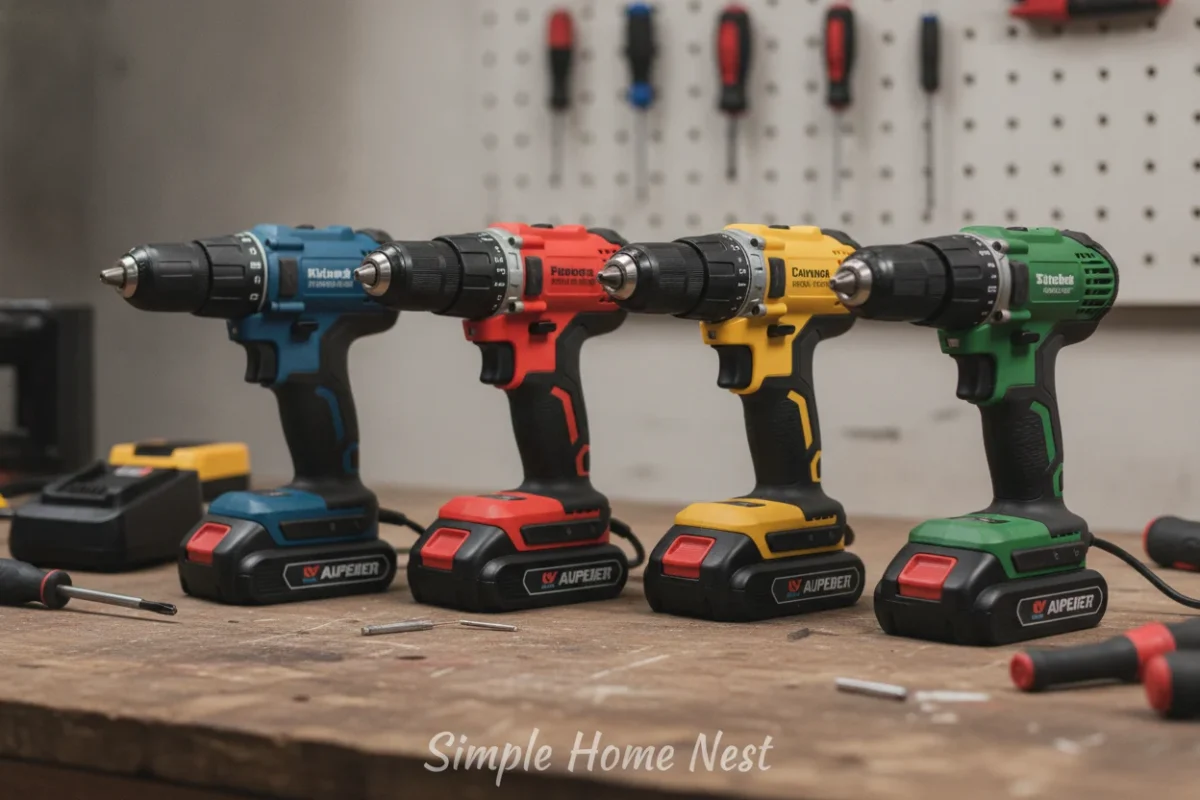
Did you know that over 70% of first-time homeowners feel overwhelmed when walking down the power tool aisle? Selecting the best cordless drills for home use does not have to be a confusing chore.
With the right advice, you can easily bypass the industrial-grade gear and find a friendly, reliable tool that perfectly matches your everyday household tasks.
Why You Need a Reliable Drill at Home
Every home needs a basic toolkit, and a dependable drill is undoubtedly the centerpiece of that collection.
Having this tool on hand changes how you approach everyday tasks. Suddenly, minor chores become simple weekend victories.
In practice, we notice that many beginners hesitate to buy power tools. They worry about complexity or safety. However, finding the best cordless drills for home use simplifies everything from mounting a simple coat rack to assembling flat-pack furniture.
Instead of struggling with manual screwdrivers that strain your wrists, a lightweight power tool does the hard work in seconds. It builds confidence for anyone wanting to maintain their living space independently.
“A basic cordless drill is the ultimate empowering tool for any renter or homeowner, transforming maintenance from a chore into a quick, satisfying win.”
— Sarah Collins, Home Organization Specialist
For those looking to expand their skills, starting with small tasks is key. You can easily transition to more creative endeavors by exploring easy DIY projects that personalize your rooms.
Ultimately, a reliable drill saves you time, money, and the hassle of waiting for a handyman to complete simple repairs around the house.
Choosing the Best Cordless Drills for Home Use
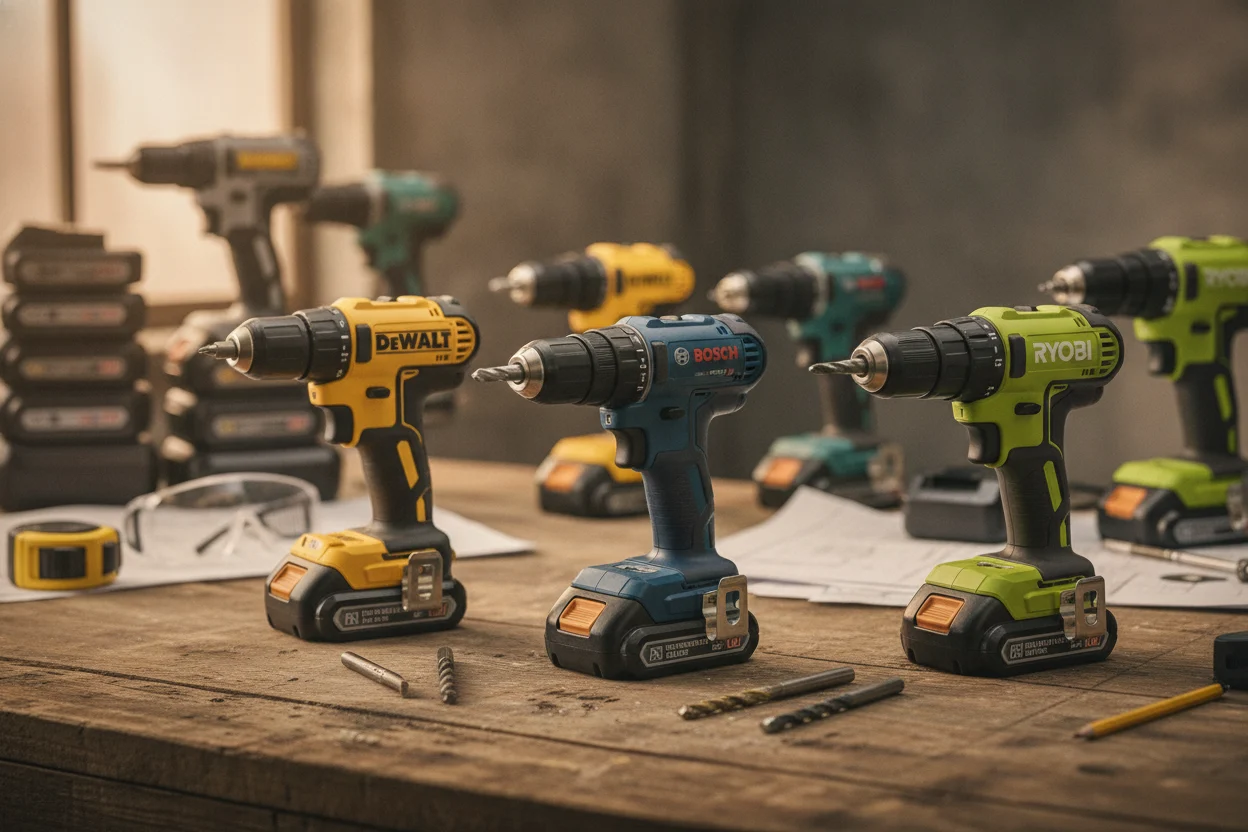
When searching for the best cordless drills for home use, it is easy to get distracted by heavy-duty construction models.
Most residential projects do not require industrial power. Instead, you should focus on a balance of comfort, weight, and manageable power settings.
For most beginners, a tool that is too heavy will lead to hand fatigue and crooked screws. The best cordless drills for home use should feel like an extension of your hand, allowing you to work comfortably in tight spaces.
Voltage is the main indicator of a tool’s power. For standard household projects, you will generally choose between 12V and 18V models.
A 12V model is incredibly compact. It offers plenty of power for hanging pictures, installing drywall anchors, or fixing loose cabinet hinges without adding extra weight to your tool bag.
If you plan to build wooden planter boxes or drill into dense materials, an 18V option provides the necessary muscle. These models represent the best cordless drills for home use when versatility and long-term DIY growth are your main priorities.
Key Features to Compare Before Buying
Understanding a few basic specifications helps you compare different models without getting lost in complicated technical jargon.
A helpful method is to look at the chuck size, which determines the maximum shank diameter of the drill bits you can use. Most home models feature a 3/8-inch or 1/2-inch keyless chuck, which allows you to change bits quickly by hand without extra tools.
You should also look for a variable speed trigger. This feature lets you control how fast the drill spins simply by altering how hard you squeeze the button, offering better control when starting a hole.
The adjustable clutch settings are equally important. By turning the numbered dial near the chuck, you can adjust the torque to prevent driving screws too deep or stripping the heads entirely.
Finally, consider choosing a model with a brushless motor. While slightly more expensive, these motors run more efficiently, generate less heat, and extend the overall lifespan of your tool.
To help you decide which power level fits your lifestyle, here is a practical comparison of the two most common options:
| Feature | 12-Volt Cordless Drills | 18-Volt Cordless Drills |
|---|---|---|
| Average Weight | 2.0 to 2.5 lbs | 3.5 to 5.0 lbs |
| Power Level | Light to Moderate | Moderate to High |
| Best For | Hanging pictures, assembling furniture, tight spaces | Building decks, drilling large holes, heavy DIY |
| Portability | Excellent, very compact | Moderate, slightly bulkier |
Essential Drill Bits for Everyday Projects
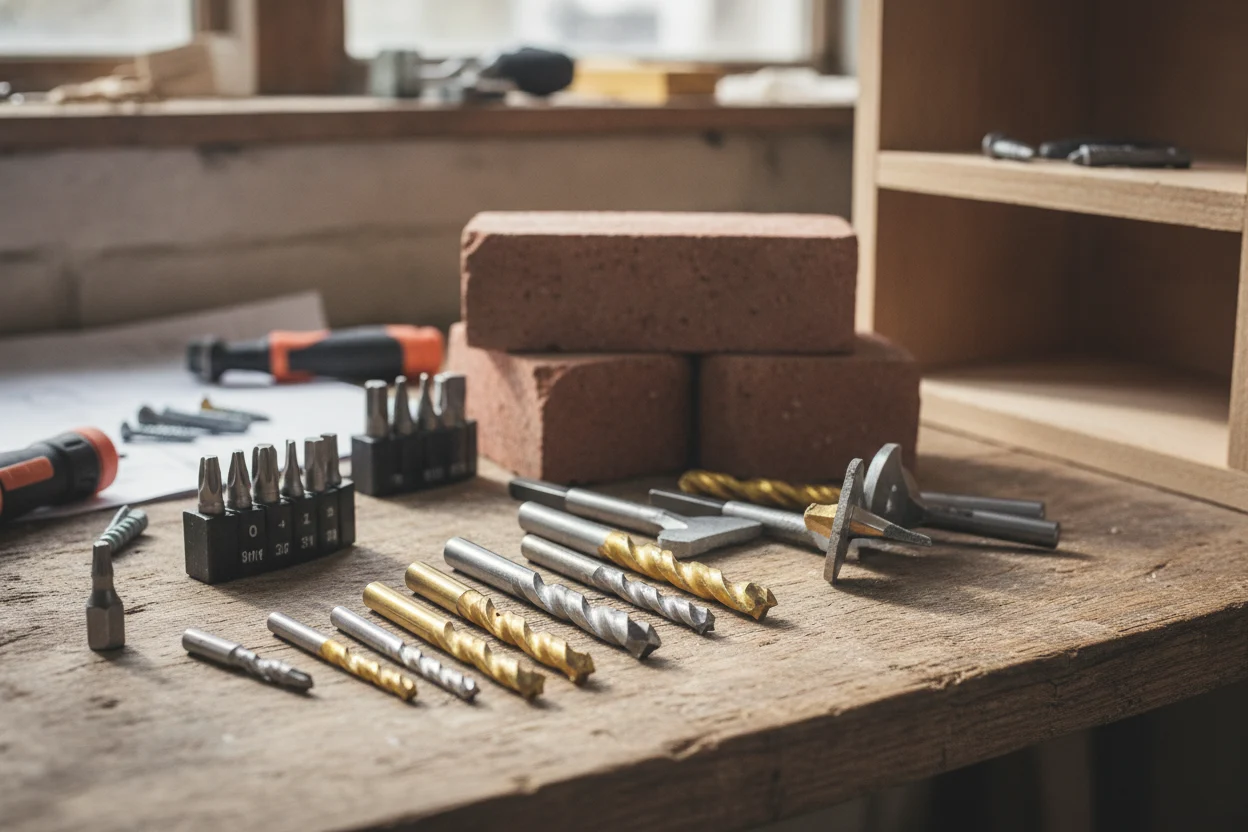
Even the best tool cannot perform well without the right accessories attached to it.
Investing in a high-quality bit set is just as important as choosing the tool itself. Using the wrong bit can damage your walls or ruin your hardware.
A beginner-friendly approach is to start with a versatile, multi-piece accessory kit. You can find comprehensive guides on choosing quality accessories at reputable resources like Family Handyman or learn about material safety from Bob Vila before starting.
For most everyday tasks, you will rely on three main types of bits: twist bits for clean holes, spade bits for wider openings, and driver bits for turning screws.
- Twist Bits: These classic spiral bits are designed for drilling clean holes through wood, plastic, and light metal.
- Screwdriver Bits: A collection of Phillips, flathead, and star drive bits will cover almost every household fastener.
- Spade Bits: Also known as paddle bits, these are used when you need to run cables or cords through wooden studs.
- Masonry Bits: These feature carbide tips designed specifically for boring into brick, concrete, or stone walls.
Practical Safety Tips for Home DIYers
Operating a power tool indoors is very safe as long as you follow a few basic guidelines.
Always secure your materials before you begin. If you are drilling into a loose piece of wood, use a simple clamp to hold it steady on your work surface rather than using your free hand.
We observe that many beginners accidentally strip screws by running the tool too fast. Always start at a slow speed to establish a groove, then apply steady pressure as you drive the screw home.
Be mindful of what lies behind your walls. Before drilling into drywall, use a stud finder with live wire detection to avoid hitting electrical lines or water pipes.
Lastly, never skip personal protection. Wearing safety glasses protects your eyes from flying wood dust or drywall debris, even during quick, two-minute tasks.
How to Maintain and Store Your Drill
Taking care of your tools ensures they remain ready for action, even if they sit in a closet for months at a time.
Modern cordless tools use lithium-ion batteries, which perform best when kept at room temperature. Avoid storing your batteries in unheated garages or damp basements where extreme temperatures can degrade their capacity.
After finishing a project, take a moment to wipe down the casing. A quick blast of compressed air can clear drywall dust out of the motor vents, preventing overheating during future use.
Store your tool, charger, and bits together in a dedicated bag or hard case. Keeping everything in one organized spot prevents lost accessories and makes it easy to grab your gear when the next project arises.
Ready to Choose Your Perfect Helper?
Selecting the best cordless drills for home use is a smart investment that brings confidence and self-reliance to your home maintenance routine. By focusing on comfortable weight, manageable power, and the right accessories, you can easily tackle any project that comes your way.
Take some time to assess your upcoming projects, pick the voltage that fits your lifestyle, and start enjoying the convenience of a modern cordless tool today.
Frequently Asked Questions about the best cordless drills for home use
What are the main benefits of investing in the best cordless drills for home use?
Owning a reliable drill empowers homeowners and renters to tackle everyday household tasks independently, saving time and money. It transforms tedious chores like assembling furniture or mounting coat racks into quick, satisfying weekend victories without the physical strain of manual screwdrivers.
How do I choose between a 12V and an 18V drill for my household needs?
For standard tasks like hanging pictures or fixing cabinet hinges, a lightweight 12V model is ideal because it prevents hand fatigue. However, if you plan to drill into denser materials or build wooden planters, an 18V model offers the necessary power and versatility for long-term DIY growth.
Do I need an industrial-grade power tool for simple weekend DIY projects?
No, most residential projects do not require heavy-duty construction models. Beginners should avoid heavy, complicated industrial gear and instead focus on finding a well-balanced, lightweight tool with manageable power settings that feels comfortable to hold and easy to control in tight spaces.
Can a beginner safely use a cordless drill without previous experience?
Absolutely. Modern cordless drills designed for home use are highly intuitive, safe, and built to simplify maintenance tasks. Starting with small, simple projects like installing drywall anchors will quickly build your confidence and help you safely transition to more creative home personalization projects.
Is a manual screwdriver always better and safer than a cordless drill?
This is a common myth; manual screwdrivers often cause wrist strain and lead to crooked screws. A lightweight cordless drill does the hard work in seconds with much greater precision, making your home improvement projects significantly easier, faster, and more enjoyable to complete.