Do you ever feel like the walls of your apartment are closing in on you? With urban living spaces shrinking every year, finding ways to maximize your square footage has become a modern necessity.
Fortunately, you do not need a major renovation to breathe new life into your rooms. By implementing Small Space Living: Smart Ideas to Make a Small Home Feel Bigger, you can easily turn a cramped layout into an airy, welcoming sanctuary.
The Magic of Multi Functional Furniture
When floor space is at a premium, every single piece of furniture must earn its keep. We often notice that bulky, single-purpose items are the main culprits behind a crowded room layout.
By shifting your focus toward versatile designs, you can easily reclaim valuable square footage. Investing in space saving furniture for small apartments allows you to maintain full functionality without cluttering your physical walkways.
Choosing pieces with hidden compartments makes daily cleanup much faster. It keeps your essential items within arm’s reach but completely out of sight.
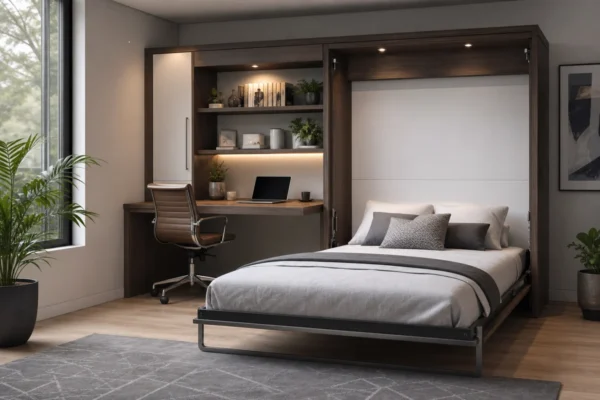
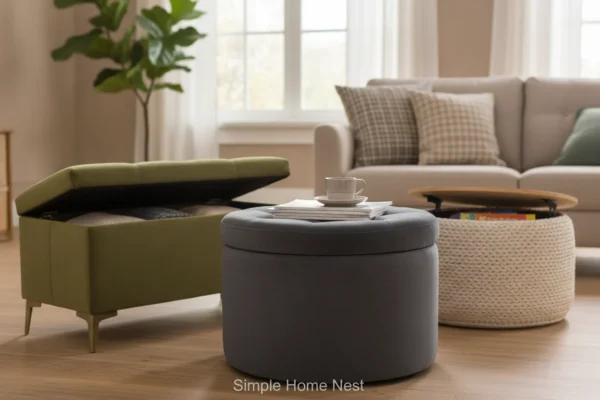
If you want to optimize your layout, here are the top four versatile furniture pieces we recommend for any compact home:
- Storage Ottomans: These serve as comfortable footrests, extra seating for guests, and hidden blanket chests.
- Extendable Tables: Perfect for daily meals, these can easily expand when you host weekend dinner parties.
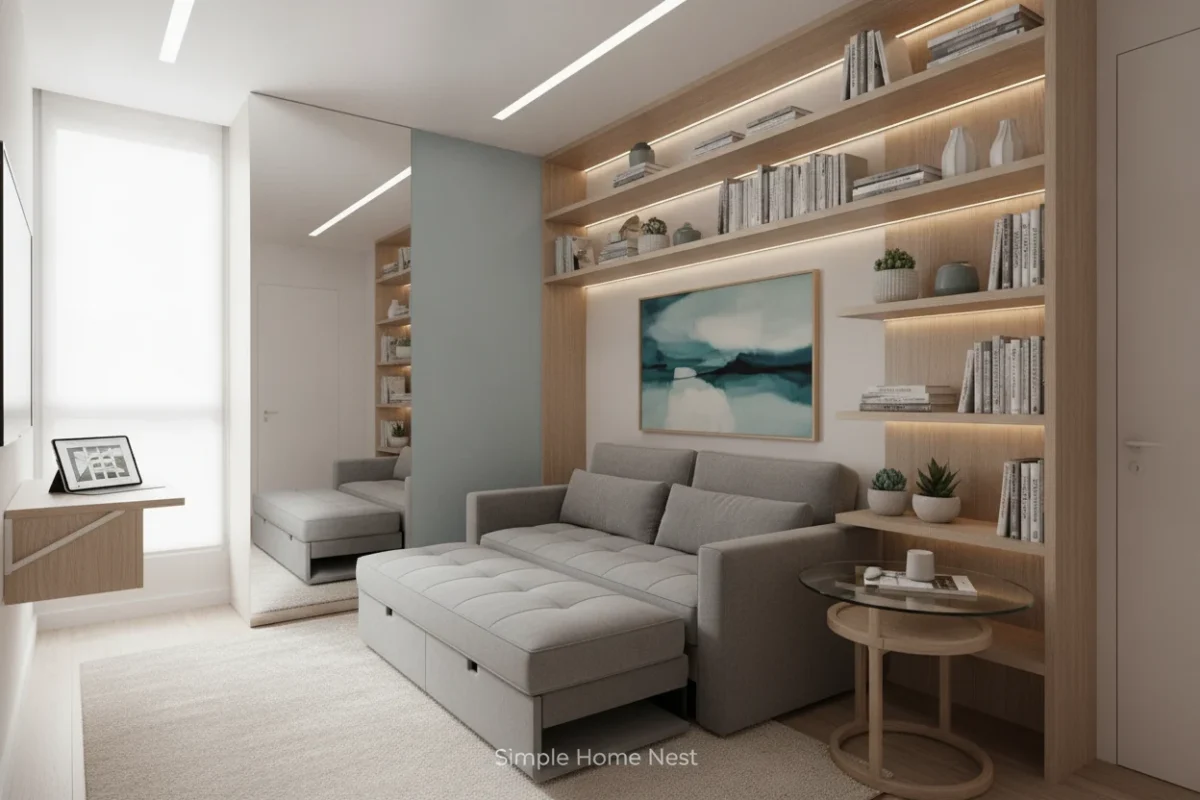
- Sleeper Sofas: Modern designs offer incredible comfort for lounging while transforming into cozy guest beds.
- Murphy Desks: These wall-mounted work desks fold down flat against the wall when your workday ends.
Before buying new pieces, measure your walkways carefully to ensure comfortable movement around the room. Implementing these smart small-space ideas starts with selecting the right scale of furniture.
Small Space Living Smart Ideas to Make a Small Home Feel Bigger
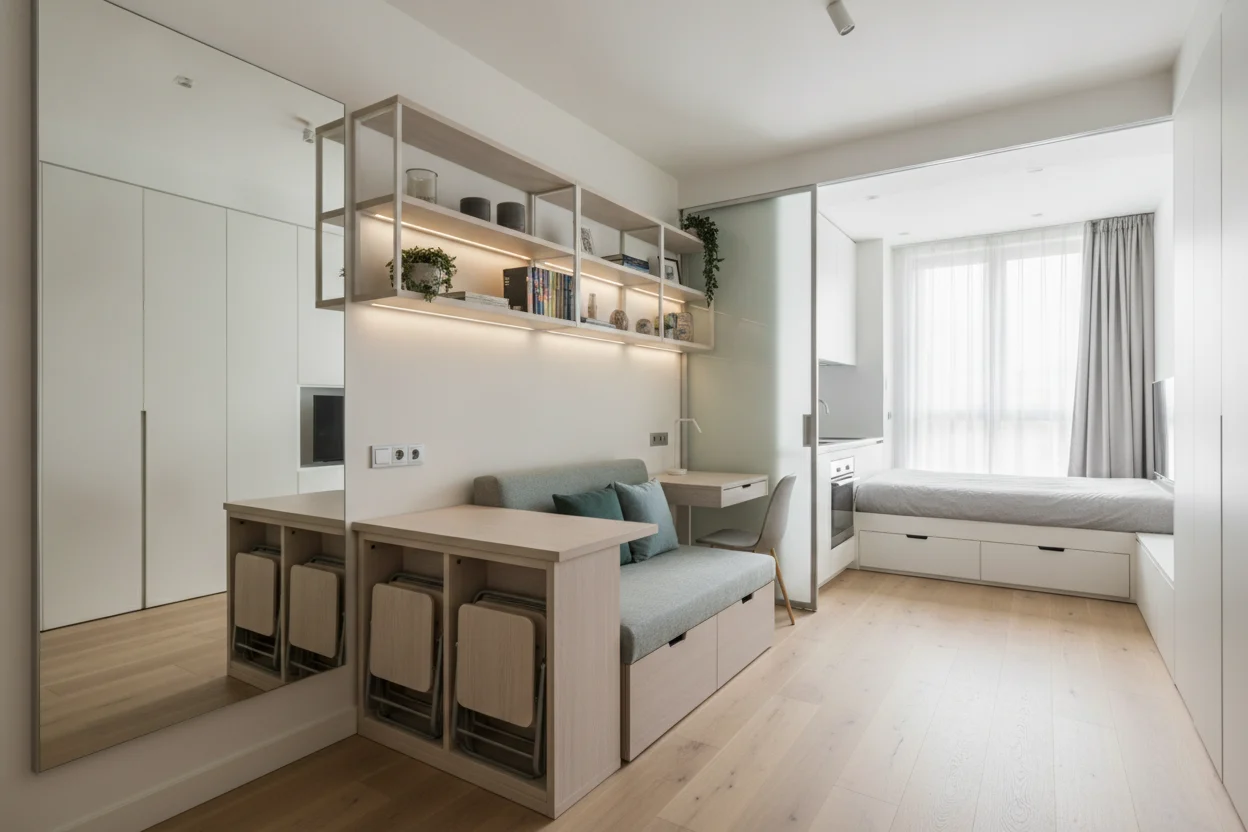
The core philosophy of successful small-space design lies in changing how you perceive physical boundaries. It is less about the actual square footage and more about visual flow.
By intentionally editing your belongings and choosing a smart layout, you can instantly alter the atmosphere of a room. We always suggest keeping main walkways clear of any low-profile obstacles to create a direct line of sight.
When you reduce the number of visual blocks, your eyes travel smoothly across the space, making it feel much wider than it actually is. It is a simple psychological trick that delivers massive results.
To achieve this seamless flow, try grouping similar items together instead of scattering them around the room. This simple adjustment instantly brings a sense of order to your surroundings.
Remember that a successful small-space strategy relies on consistency. Keeping your floors as visible as possible creates an immediate sense of openness.
Mastering Vertical Space and Wall Storage
When you run out of floor space, the only way to go is up. Most renters and homeowners completely overlook the incredible storage potential waiting on their bare walls.
Utilizing vertical areas is one of the most effective creative storage solutions for small homes available today. Hanging items high draws the eye upward, which naturally creates the illusion of higher ceilings.
Floating shelves are perfect for displaying books, small plants, and decorative pieces without taking up precious floor space. You can find excellent tips on arranging these elements in our guide on DIY home projects.
Tall bookcases that reach all the way to the ceiling work wonders for storage. They utilize underused space while making the entire room feel grander and more structured.
For kitchen and entryway areas, consider installing heavy-duty pegboards or wall grids. These customizable tools let you hang cooking utensils, bags, and hats easily, keeping flat countertops completely clear.
By adopting a vertical mindset, you embrace smart small-space living while keeping your daily essentials organized and accessible.
How to Use Mirrors to Double Your Room Visuals
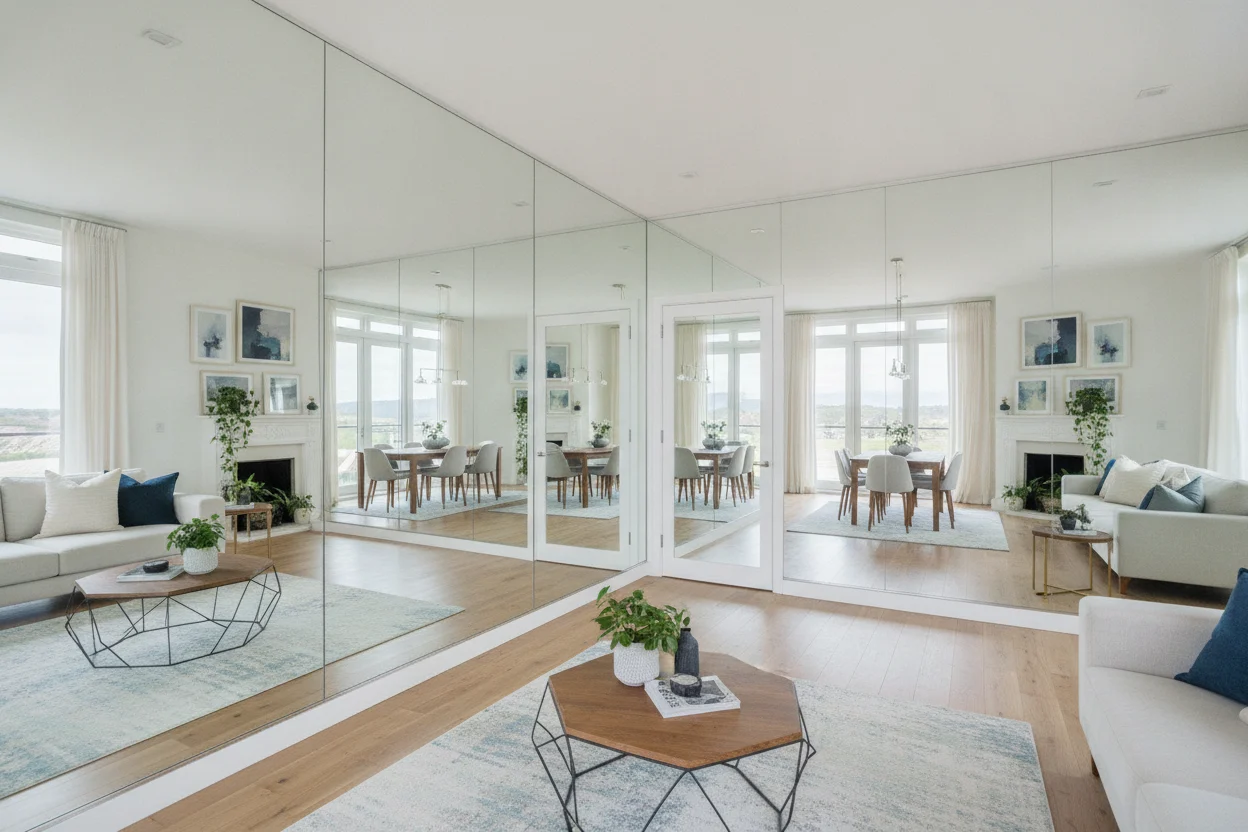
Mirrors are a designer’s secret weapon for making tight spaces feel twice their actual size. They reflect both natural and artificial light, bouncing brightness deep into dark, neglected corners.
To get the best results, place a large mirror directly opposite a window. This positions the glass to catch incoming daylight, instantly making your room feel brighter and more connected to the outdoors.
If you want to explore more styling ideas, check out the Architectural Digest website for expert interior inspiration. A well-placed floor-length mirror can completely transform a narrow hallway.
You can also create a stylish gallery wall using smaller, decorative mirrors of various shapes. This adds artistic character to your walls while serving a practical, light-boosting purpose.
Using mirrors is a classic space-expanding technique that requires minimal effort but offers massive visual impact.
Smart Color Palettes for Cozy Rooms
The paint colors and textile shades you choose play a massive role in how spacious your home feels. While light shades are known to open up rooms, dark colors can also work beautifully when applied correctly.
Light neutrals like soft ivory, pale gray, and warm beige reflect light efficiently, making walls feel like they are receding. On the other hand, rich, monochromatic dark tones can blur the corners of a room, creating a cozy, endless depth.
To help you decide which color strategy fits your home best, we have compared the two approaches below:
| Strategy | Pros | Cons | Best Rooms |
|---|---|---|---|
| Light Neutrals | Maximizes natural light, looks clean, airy feel | Can sometimes feel cold or clinical | Living rooms, kitchens, small bathrooms |
| Monochromatic Dark | Cozy atmosphere, hides wall imperfections | Requires excellent layered lighting | Bedrooms, home offices, media rooms |
Whichever direction you choose, try to match your furniture colors to the walls. This reduces visual contrast, which is a key principle of designing a roomier home.
Decluttering Strategies for Tiny Floor Plans
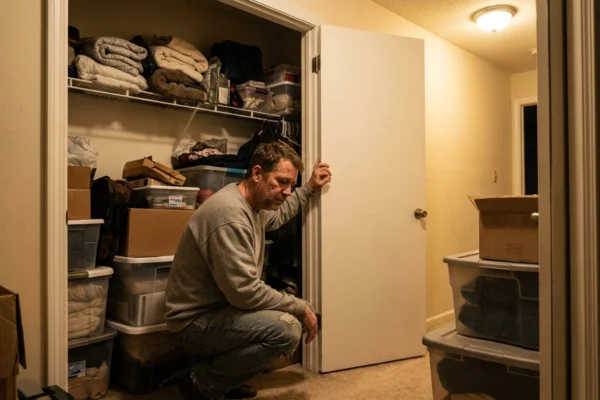
Physical clutter quickly turns into mental clutter, especially when you are living in a compact home. Keeping flat surfaces clear is essential for maintaining a relaxing environment.
We highly recommend practicing the “one in, one out” rule for every new item you bring home. If you buy a new book or sweater, donate an older one to keep your collection balanced.
For those starting their journey, our detailed guide on home organization offers simple, actionable steps to tackle every room efficiently without feeling overwhelmed.
Spend just ten minutes every evening putting items back in their designated places. This simple habit prevents clutter from building up and keeps your home looking spacious day after day.
Remember, a tidy room always feels larger. Clean lines and clear surfaces are foundational to an open, airy home.
Lighting Tricks that Expand Your Horizons
Relying on a single, harsh overhead light can make any room feel flat, cold, and incredibly small. To make a space feel larger, you need to layer your lighting sources.
By combining ambient, task, and accent lighting, you draw attention to different areas of the room. This creates depth and eliminates dark corners that shrink your perception of the space.
Use slim floor lamps to cast warm light upward, which instantly makes your ceilings look higher. Wall-mounted sconces are also fantastic because they provide excellent illumination without using any table space.
If you enjoy adding greenery to your well-lit corners, you can learn how to pair plants with your lighting setup in our indoor plants guide.
Proper lighting is a simple space-enhancing method that instantly enhances the warmth of your home.
Smart Window Treatments for Airy Vibes
Windows are your direct connection to the outside world, making them incredibly important in a compact home. How you dress them can completely change the scale of your room.
A classic designer trick is to hang your curtain rods high and wide, extending well past the window frame. This simple adjustment makes your windows look much larger and allows maximum natural light to flood the room.
Choose lightweight, sheer fabrics that let daylight filter through while still offering privacy. Avoid heavy, dark drapes that block light and make the walls feel like they are closing in.
For more window styling tips, you can explore the helpful home resources on the HGTV website. This easy change makes a huge difference in your daily living experience.
Applying these smart window adjustments is a highly effective space-expanding tip that maximizes natural brightness.
Choosing the Right Rug Scale for Your Layout
A very common mistake in small homes is buying rugs that are far too small for the space. A tiny rug segments the floor, making the entire layout look choppy and disorganized.
Instead, choose a large area rug that accommodates all the main pieces of your furniture. This helps anchor the room, visually uniting the elements and making the floor plan feel grander.
For a step-by-step layout breakdown, our guide on how to make a tiny living room look larger provides great placement tips. Ensuring your furniture sits comfortably on the rug creates a cohesive, professional look.
Opt for subtle patterns or solid, neutral textures to keep the floor looking clean and spacious. This simple design choice is a key element of smart small-space styling.
Keeping Entryways Clear and Welcoming
Your entryway sets the tone for your entire home, making it crucial to keep this high-traffic area clean. A cluttered front door creates instant stress the moment you walk inside.
Even if you do not have a formal foyer, you can easily set up a functional, wall-only entry station. Install a few sturdy hooks for coats, a slim shoe cabinet, and a small tray for keys.
Keeping these daily items organized prevents them from spilling over into your main living areas. It ensures your home always feels welcoming, organized, and remarkably spacious from the very first step.
This organized entry routine is a practical small-space habit that simplifies your busy mornings.
Simple Habits to Maintain Your Spacious Home
Keeping a compact home feeling open and inviting requires consistent, intentional daily habits. It is not about a one-time deep clean, but rather the small routines you practice every day.
By making your bed, clearing countertops, and returning items to their homes daily, you preserve your spacious layout. These small efforts keep your home looking beautiful and feeling incredibly peaceful.
“Living in a smaller footprint encourages us to curate our lives intentionally, focusing only on the items that bring us genuine utility and joy.” — Sarah Jenkins, Cozy Living Expert
Embracing a simplified lifestyle allows you to fully enjoy your cozy space. With these simple tips, you can master Small Space Living: Smart Ideas to Make a Small Home Feel Bigger and create a home you truly love.
Frequently Asked Questions about Small Space Living: Smart Ideas to Make a Small Home Feel Bigger
Why is Small Space Living: Smart Ideas to Make a Small Home Feel Bigger a modern necessity?
As urban living spaces shrink globally, maximizing square footage has become crucial. Implementing smart design strategies allows you to transform cramped layouts into airy, welcoming sanctuaries without undergoing major, expensive renovations that disrupt your daily routine.
How do I choose the best multi-functional furniture for a compact apartment?
To optimize space, select versatile pieces that serve dual purposes, such as storage ottomans, extendable tables, and Murphy desks. Always measure your walkways carefully before purchasing to ensure the furniture scale allows for comfortable, unobstructed physical movement.
What is the main benefit of keeping floors highly visible in a small room?
Keeping floors visible and main walkways clear of low-profile obstacles creates a direct, uninterrupted line of sight. This clever psychological trick allows your eyes to travel smoothly across the area, instantly making the room feel wider and more spacious.
Is it better to scatter decor items or group them together in a limited layout?
Grouping similar items together is far better than scattering them around the room. This intentional styling choice reduces visual clutter, brings an immediate sense of order, and enhances the overall visual flow of your compact living environment.
Is it a myth that you need a large budget to make a small home feel bigger?
Yes, it is a myth. You do not need expensive renovations to expand your space; successful layout optimization is less about actual square footage and more about intentional furniture editing, smart scaling, and keeping visual boundaries completely clear.