Are you struggling to keep your small living space feeling fresh and alive? Finding room for nature in a compact apartment can seem daunting when you do not know where to begin.
With this guide on Indoor Plants for Beginners: A Simple Care Guide for Small Homes, you will discover how to select and nurture the perfect green companions for your personal sanctuary.
Why Small Space Plant Parenting is Different
Caring for greenery in compact living areas presents unique challenges that outdoor gardeners rarely face. Limited airflow and variable light quality can quickly impact your green companions if you are not paying close attention to their environment.
Physical space constraints often lead to plants being grouped tightly together. While this looks beautiful, it can restrict air movement and make managing pests a bit more challenging in small apartments.
Understanding these unique small-space plant care dynamics helps you make smarter choices. You will learn to anticipate how drafty corners or dry radiator air affect your soil moisture levels.
By adjusting your expectations and observing how light moves through your rooms, you can easily create a thriving microclimate. Successful indoor gardening in a compact home starts with recognizing that smaller spaces heat up and cool down much faster than larger houses.
With a few simple adjustments, any tight corner can become a healthy sanctuary for hardy greenery. Let us explore how you can master plant care for small homes without feeling overwhelmed by daily chores.
Indoor Plants for Beginners Simple Care Guide
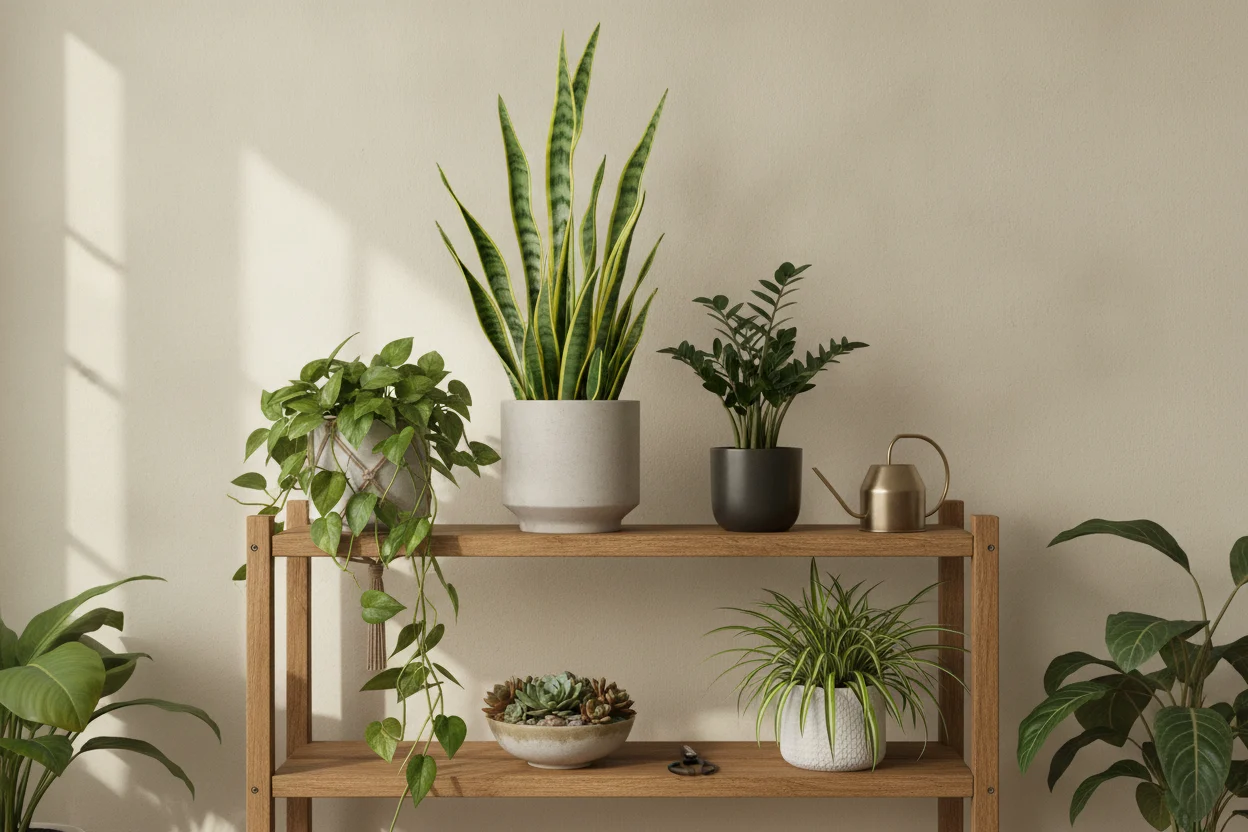
Embarking on your green journey does not require a degree in botany or expensive equipment. The core philosophy of successful plant care relies on consistency, careful observation, and choosing resilient species that adapt to indoor environments.
We often notice that beginners overcomplicate their routines by worrying about precise schedules. Instead, focus on learning the basic signals your plants send you through their leaves and soil moisture.
Developing a green thumb is simply a matter of building small, mindful habits over time. When you understand the baseline needs of your greenery, indoor plant care becomes a relaxing, rewarding daily ritual.
Consistency in checking your plants once a week is far more valuable than buying expensive fertilizers. Keep your approach straightforward, and let your confidence grow alongside your brand-new houseplant collection.
“The greatest mistake a new plant parent can make is trying to force a plant to adapt to a space, rather than choosing a plant that already loves the space you have.” — Marcus Thorne, Urban Botanist
By aligning your plant selection with your actual living conditions, you ensure long-term success. Let us look at the best varieties that will easily tolerate the typical lighting conditions found in smaller homes.
The Best Low Light Plants for Tiny Apartments
Many urban apartments suffer from a lack of direct sunlight due to neighboring buildings or small windows. Fortunately, several resilient species have evolved to thrive on the forest floor under deep shade, making them perfect for dim rooms.
These hardy varieties do not require constant bright light to maintain their beautiful foliage and structural shape. They are highly forgiving of occasional forgetfulness, making them excellent home organization additions for busy renters.
When searching for the easy low light houseplants for apartments, prioritize species known for slow, steady growth rates. These varieties will not quickly outgrow their assigned corners or require frequent, messy repotting sessions.
Here is a selection of the most reliable, low-maintenance options for spaces with limited natural light:
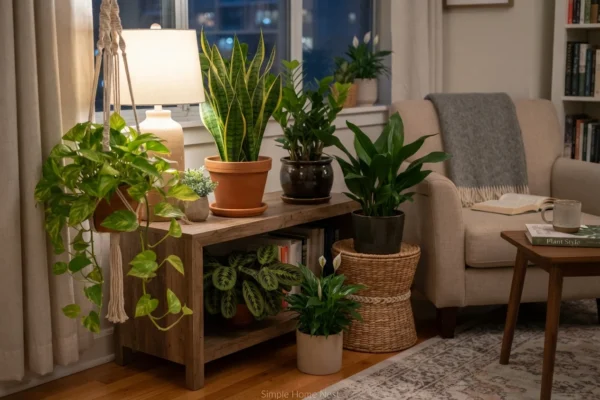
- Snake Plant: Needs minimal water and tolerates low light, making it one of the best resilient indoor plants for small spaces.
- Cast Iron Plant: Features extremely tough, dark green leaves that handle dark corners and drafty areas beautifully.
- ZZ Plant: Possesses shiny leaves that reflect light, storing water in thick rhizomes beneath the soil.
- Pothos Ivy: Offers trailing vines that can grow in almost any light condition, including artificial office lighting.
With these low-light champions, you can easily green up those neglected corners without worrying about leaf scorch. Now, let us master the art of watering without causing a messy disaster on your floors.
Understanding Watering Routines Without the Mess
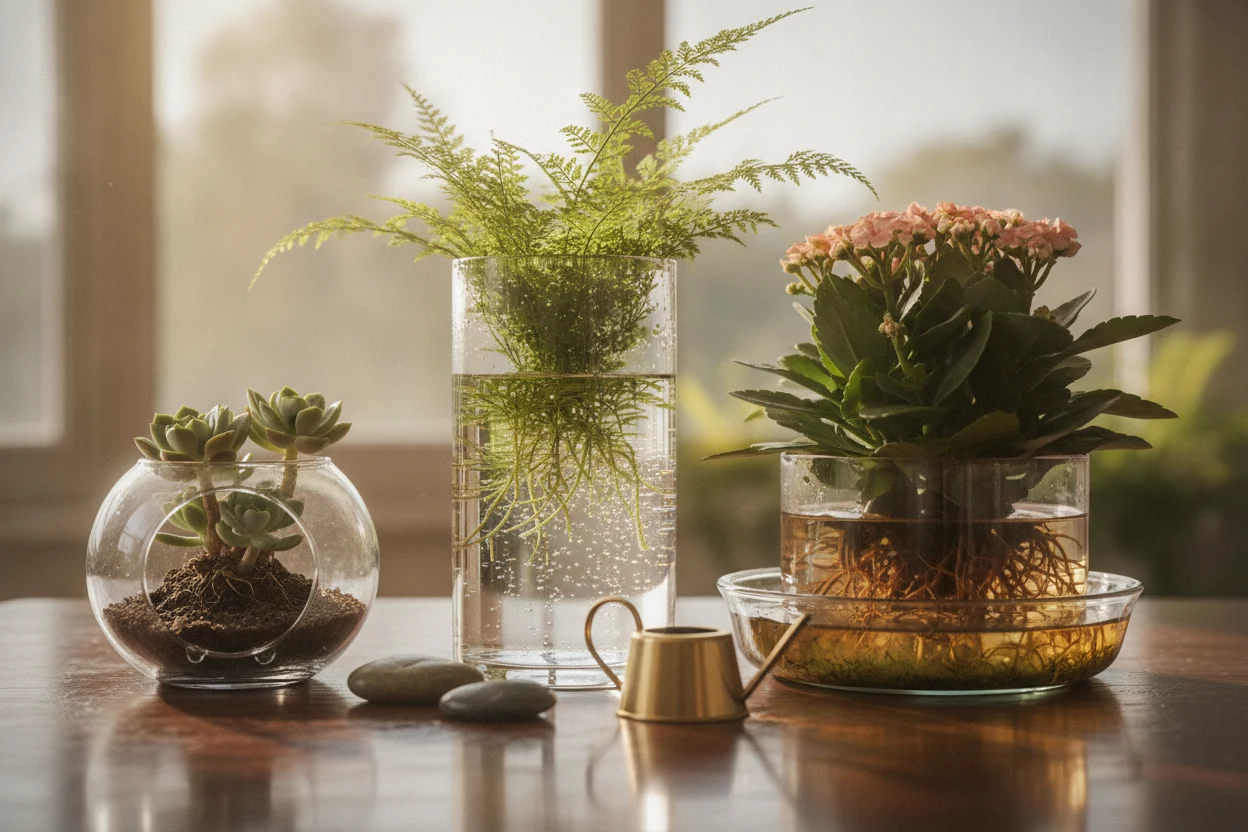
Watering is often where new plant parents struggle the most, leading to either dry soil or soggy root rot. In small spaces, managing water runoff is particularly important to protect your carpets, rugs, and delicate wooden furniture.
To avoid messy spills, we recommend establishing a mindful routine rather than watering on a strict calendar schedule. Learning how to water houseplants in small apartments starts with checking the actual moisture level of the potting medium.
Simply insert your index finger about two inches deep into the soil to check for dryness. If the soil feels damp and cool, leave it alone; if it feels dry and dusty, it is time to water.
Always bring your pots to the kitchen sink or bathroom tub when it is time for a deep watering session. This allows excess water to drain completely out of the bottom before you return the pot to its decorative saucer.
This simple habit prevents water from pooling at the bottom of your containers, which is the primary cause of yellowing leaves. Mastering this watering technique will keep your roots healthy and your floors dry.
Consistent, mess-free watering ensures your plant care journey remains enjoyable and stress-free. Next, let us choose the best pots to complement your compact home decor.
Choosing the Right Pots for Small Scale Decor
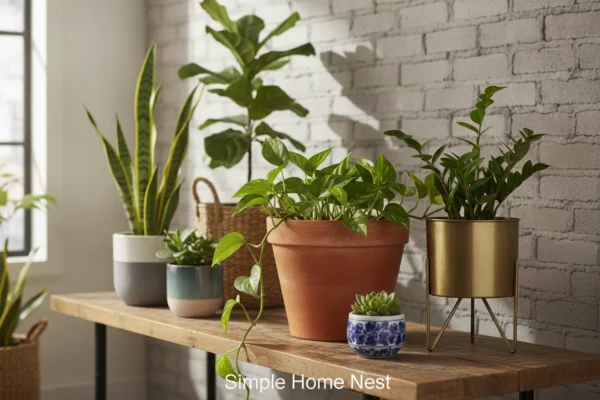
Selecting the right container is not just about matching your interior design aesthetic; it directly affects your plant’s health. For small spaces, you want lightweight, functional pots that prevent water damage while maximizing your limited shelf space.
We always advise beginners to look for pots that feature drainage holes at the bottom. Without these holes, excess water has nowhere to escape, which quickly leads to suffocated roots and plant decay.
A clever solution for small apartments is using the cachepot system, where you keep the plant in its plastic nursery pot. You then place that plastic pot inside a slightly larger, highly decorative outer container without drainage holes.
This method allows you to easily slip the nursery pot out for mess-free watering in the sink. It also gives you the freedom to swap out decorative pots whenever you want to refresh your room’s style.
Choosing appropriate pots ensures your indoor garden setup looks polished and professional. Now, let us look at how the right soil mix supports this healthy root environment.
Comparing Soil Mixes for Happy Houseplants
Using the correct potting medium is essential because standard outdoor garden soil is far too heavy for indoor containers. Outdoor soil packs down tightly in pots, preventing oxygen from reaching the roots and trapping far too much moisture.
For a successful indoor gardening experience, you need airy, well-draining mixtures. These specialized blends allow water to pass through freely while retaining just enough moisture to keep roots hydrated.
Understanding the basic differences in soil mixes helps you choose the right environment for each unique plant variety. It prevents common watering mistakes and ensures your green companions get the oxygen they need to grow.
To help you choose, we have broken down the three most common indoor potting mixes you will encounter:
| Soil Mix Type | Best For | Drainage Speed | Key Ingredients |
|---|---|---|---|
| Standard Potting Mix | Foliage plants, ferns, ivy | Moderate | Peat moss, perlite |
| Cacti & Succulent Mix | Succulents, snake plants | Very Fast | Sand, pumice, gravel |
| Aerated Moisture Mix | Aroids, monsteras, pothos | Fast | Orchid bark, coco coir |
By matching your plant to the correct soil mix, you dramatically reduce the risk of accidental overwatering. Now that your pots and soil are sorted, let us look at creative ways to display them vertically.
Creative Vertical Display Ideas for Tight Corners
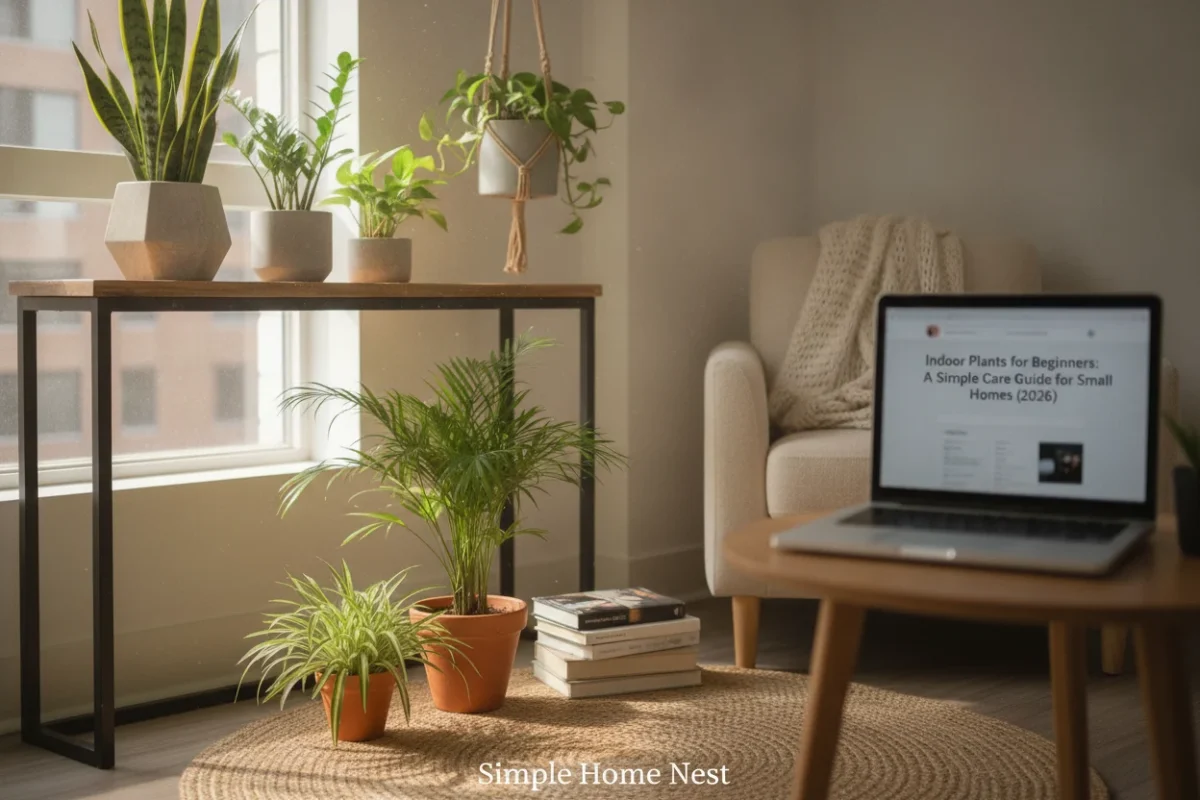
When floor space is at a premium, the only way to expand your green collection is to start looking upward. Utilizing vertical space allows you to enjoy a lush jungle vibe without cluttering your main living areas.
Vertical styling is an excellent way to draw the eye upward, making small rooms feel larger and more airy. Floating shelves can transform empty walls into vibrant green focal points.
Hanging macrame planters from ceiling hooks is another fantastic option that keeps delicate vines safe from curious pets. You can easily find pet-friendly options by researching beginner friendly non toxic indoor plants for your hanging displays.
Wall-mounted planters and tiered plant stands also work beautifully to maximize tight corners near windows. These creative solutions keep your floors completely clear while ensuring your plants get the bright light they need to thrive.
Embracing vertical displays elevates your plant layout to a professional level. Next, let us discuss how to keep your indoor air humid enough for tropical varieties.
Managing Humidity in Small Indoor Environments
Most tropical houseplants prefer humid environments that mimic their natural rainforest habitats. However, indoor heating and air conditioning systems in small apartments often dry out the air, leading to crispy brown leaf tips.
Fortunately, you do not need to purchase a loud, expensive humidifier to keep your green companions happy. There are several budget-friendly, simple methods to boost the local humidity levels directly around your plant display.
One of the easiest tricks is to cluster several plants close together in a single corner of your room. As plants transpire, they naturally release moisture into the air, creating a shared pocket of humid, supportive air.
Another excellent method is placing your pots on a shallow tray filled with pebbles and a small amount of water. As the water evaporates, it rises directly around the leaves without keeping the bottom of the pot constantly wet.
These simple microclimate adjustments make small-space plant care incredibly easy, even during dry winters. Let us look at a quick maintenance routine that fits into any busy schedule.
Simple Routine Maintenance Tips for Busy People
Keeping your plants healthy does not require hours of daily work; a quick weekly check-in is all it takes. Spending just ten minutes a week on basic maintenance will prevent major problems and keep your collection looking vibrant.
Start by gently wiping any accumulated dust off the leaves with a damp cloth to help them photosynthesize. Dust blocks natural light and reduces the plant’s ability to breathe, especially in smaller, enclosed urban rooms.
Next, rotate your pots a quarter-turn every week to ensure all sides of the plant receive equal sunlight. This simple habit prevents your plants from leaning toward the window and keeps their growth beautifully balanced and upright.
Finally, use a clean pair of scissors to snip away any yellowing or dead leaves at the base. Removing spent foliage allows the plant to focus its limited energy on growing fresh, healthy new leaves.
Integrating these quick habits into your plant care routine ensures long-term success. Next, we will cover how to easily identify and treat common pests before they spread.
How to Spot and Treat Common Plant Pests Early
Finding pests on your beloved greenery can be frustrating, but it is a natural part of being a plant parent. In small apartments, catching these tiny insects early is crucial to prevent them from spreading to your entire collection.
Regularly inspect the undersides of leaves and the points where stems meet for any unusual spots or webbing. Early warning signs include sticky residue on leaves, tiny white webs, or small gnats flying around the soil.
If you spot any pests, isolate the affected plant immediately to protect your other healthy greenery. For gentle treatment, clean the leaves with a mild solution of warm water and a few drops of organic neem oil.
For persistent pests, you can consult the official care guides provided by the Royal Horticultural Society for safe eradication methods. Keeping these gentle remedies on hand makes houseplant care incredibly manageable.
With quick action and simple organic treatments, you can easily protect your indoor garden. Finally, let us look at how to adapt your care routines as the seasons change.
Easy Steps for Seasonal Adjustments in Your Home
Just like outdoor gardens, indoor plants experience natural seasonal shifts that affect their growth patterns and water needs. Recognizing these changes is key to maintaining a healthy indoor oasis throughout the entire year.
During the spring and summer, your plants will grow actively and require more frequent watering and light feeding. As the days shorten in autumn, plants enter a dormant phase where their growth slows down significantly.
During these cooler months, you should reduce your watering frequency to prevent root rot in cold soil. You should also pause any fertilization routines until the warm spring weather returns and active growth begins again.
If your apartment gets very dark in winter, move your plants closer to windows to maximize the limited daylight. These simple seasonal adjustments ensure your indoor garden remains successful year-round.
By adapting your habits to nature’s rhythm, you will enjoy a beautiful, thriving indoor garden for years to come.
Embrace Your Green Home Journey
Growing a lush, beautiful indoor garden in a compact space is an incredibly rewarding journey that anyone can master. By selecting resilient varieties and establishing a simple, consistent care routine, you can easily transform your small apartment into a cozy, natural sanctuary.
Remember that successful plant care is all about observation, patience, and enjoying the quiet moments of connection with nature. Now that you have the foundational knowledge, it is time to take action and start your own Indoor Plants for Beginners: A Simple Care Guide for Small Homes collection today!
Frequently Asked Questions about Indoor Plants for Beginners: A Simple Care Guide for Small Homes
Why is managing airflow so important for indoor plants for beginners: a simple care guide for small homes?
In compact apartments, plants are often grouped tightly together for aesthetic reasons. This clustering restricts natural air movement and increases humidity levels around the foliage, which can unfortunately make managing pests and preventing fungal diseases much more challenging in limited living spaces.
How do I choose the best green companion for my specific apartment conditions?
To succeed, you must select species that naturally thrive in your existing environment rather than forcing a plant to adapt. Analyze your room’s natural light, temperature fluctuations, and drafty corners before buying, ensuring your new green companion matches your home’s unique microclimate.
Is a strict watering schedule better than weekly observation for new plant parents?
No, relying on rigid calendar schedules is a common myth that often leads to overwatering. Developing a green thumb relies on building mindful habits, such as checking soil moisture and leaf signals once a week, which is far more effective than following a strict, automated routine.
How do temperature changes in small homes compare to larger houses?
Smaller living spaces experience much faster temperature fluctuations, heating up and cooling down more rapidly than spacious houses. This volatile environment means you must closely monitor drafty windows, dry radiator air, and air conditioning vents to protect your delicate indoor greenery from sudden thermal shock.
What are the main benefits of starting a compact indoor garden?
Starting a compact indoor garden easily transforms any tight, unused corner into a refreshing, healthy sanctuary. Beyond the obvious aesthetic appeal, nurturing resilient species establishes a relaxing, rewarding daily ritual that connects you with nature and keeps your small living space feeling fresh and alive.